
Business
Why Trophy Homes Are Becoming More Hotel-Inspired
Written By Felix Shentaler

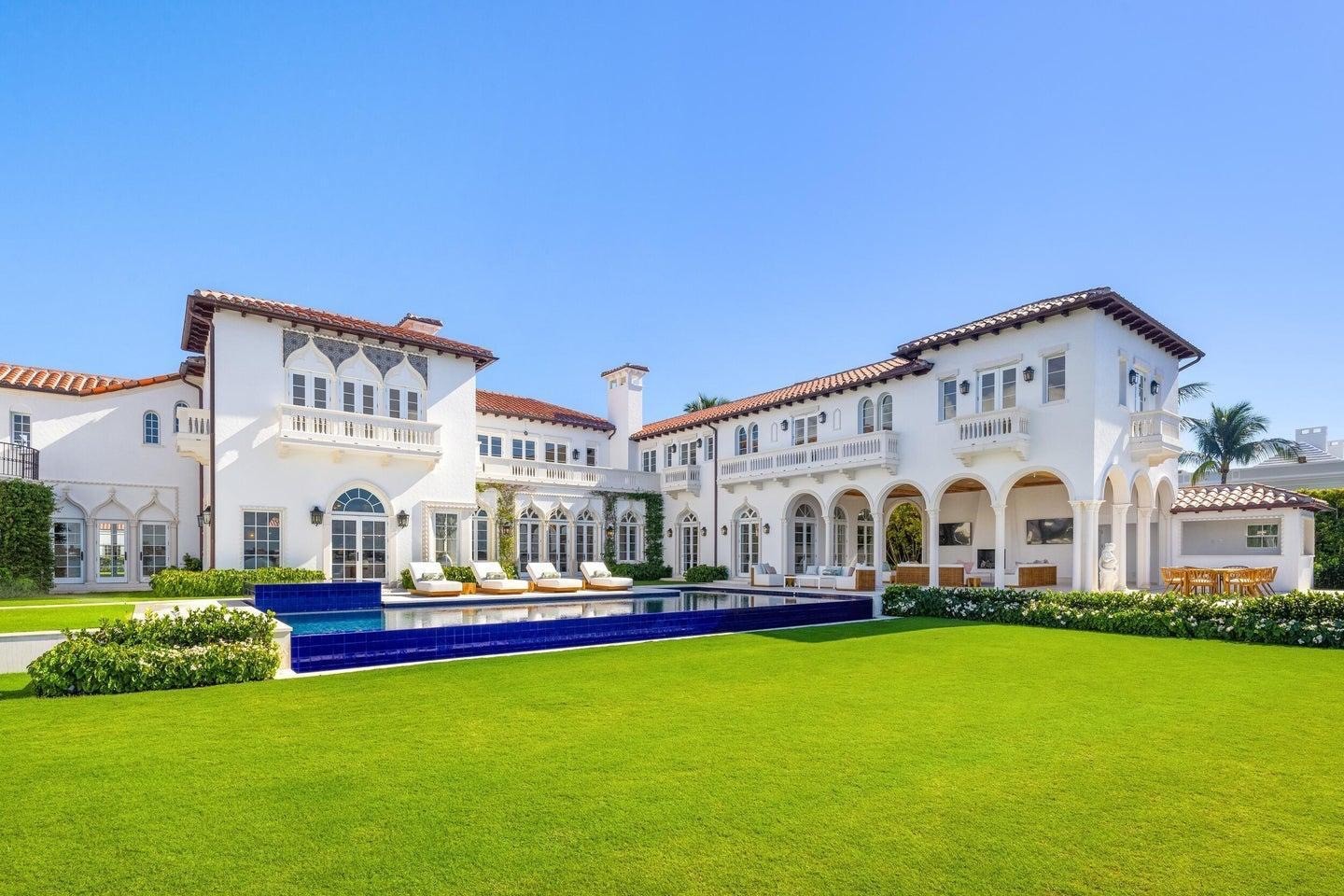
$157M USD home in Palm Beach, Florida. Courtesy of Premier Real Estate Properties
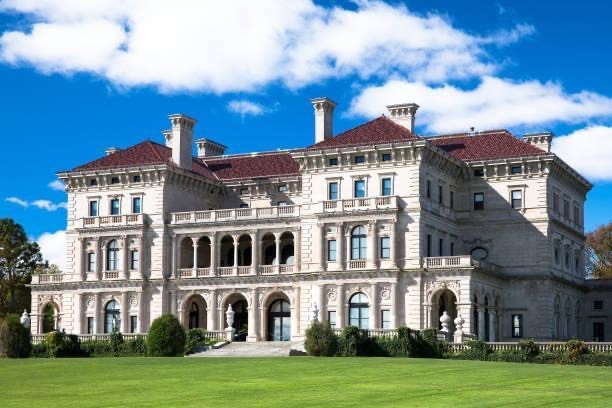
Vanderbilt Mansion in Newport. Getty Images/Tim Graham
In the late 1800s, during the Gilded Age in America and the Belle Époque in Europe, trophy homes were monuments of excess. Families like the Vanderbilts and Astors built grand palatial estates. These homes were designed to impress: ballrooms for lavish galas, libraries filled with rare volumes, and gardens manicured to perfection. Across the Atlantic, English aristocrats maintained sprawling country estates with hunting lodges, stables, and vast grounds. The emphasis was on public display of wealth and social dominance. Luxury meant scale, ornamentation, and the ability to host hundreds of guests in a dazzling fashion.
By the 1920s and 1930s, the definition of a trophy home began to shift. It was an era defined by optimism, technological progress, and a fascination with modernity. The First World War had ended, cities were booming, and a new elite class wanted homes that reflected both their wealth and their embrace of the future. Trophy homes of this era abandoned the ornate flourishes of Victorian and Edwardian design in favour of streamlined forms, sharp angles, and stylized motifs.
Mansion in Tuckahoe, NY. Getty Images/Jeff Greenberg.
The mid-20th century brought Modernist icons. Architects like Richard Neutra, Philip Johnson, and Ludwig Mies van der Rohe designed homes that emphasized simplicity. Glass walls, open floor plans, and minimalist aesthetics replaced gilded ornamentation. Trophy homes were no longer about sheer opulence; they were about avant-garde taste and architectural daring.
Mansion in Dallas, TX, designed by Phillip Johnson. Photo by Anthony Paletta.
But now, in the contemporary world of trophy homes, luxury is no longer defined by square footage or architectural pedigree alone. Increasingly, the most coveted residences are being designed to feel like five-star resorts complete with private spas, wellness wings, screening rooms, and hospitality-style service. They are designed as self-contained lifestyle compounds, where every amenity is available without leaving the property.
In true resort style, homeowners are installing full-scale spa zones, hammams, and fitness suites. Borrowing from luxury resorts and boutique hotels, these trophy homes now feature cinema-quality screening rooms and entertainment lounges. And some of the most deluxe homes are adopting staffed gatehouses, concierge-style management, and permanent service teams. This mirrors the infrastructure of luxury hotels, where privacy and convenience are paramount. A staffed gatehouse with its own address, for example, allows deliveries, guest arrivals, and security to be managed seamlessly—transforming the home into a private resort compound.
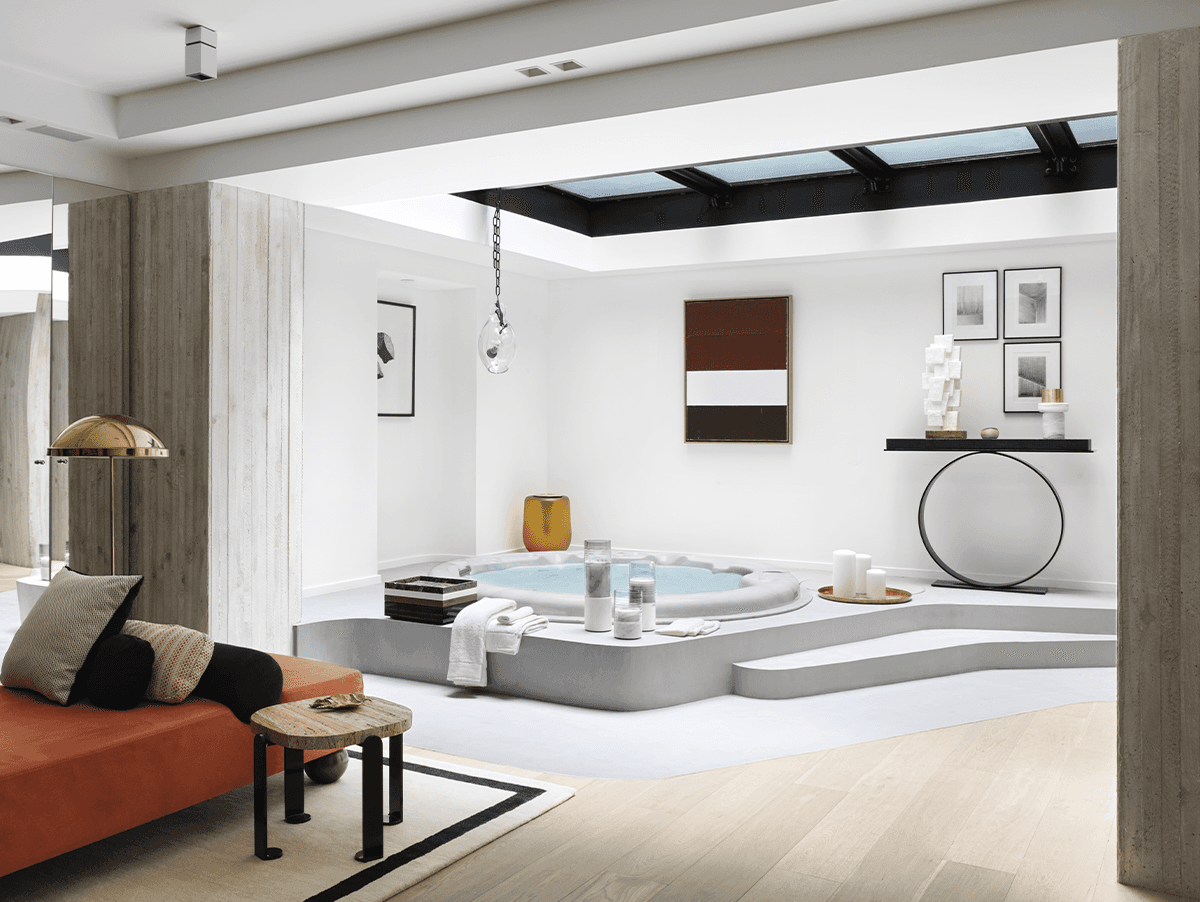
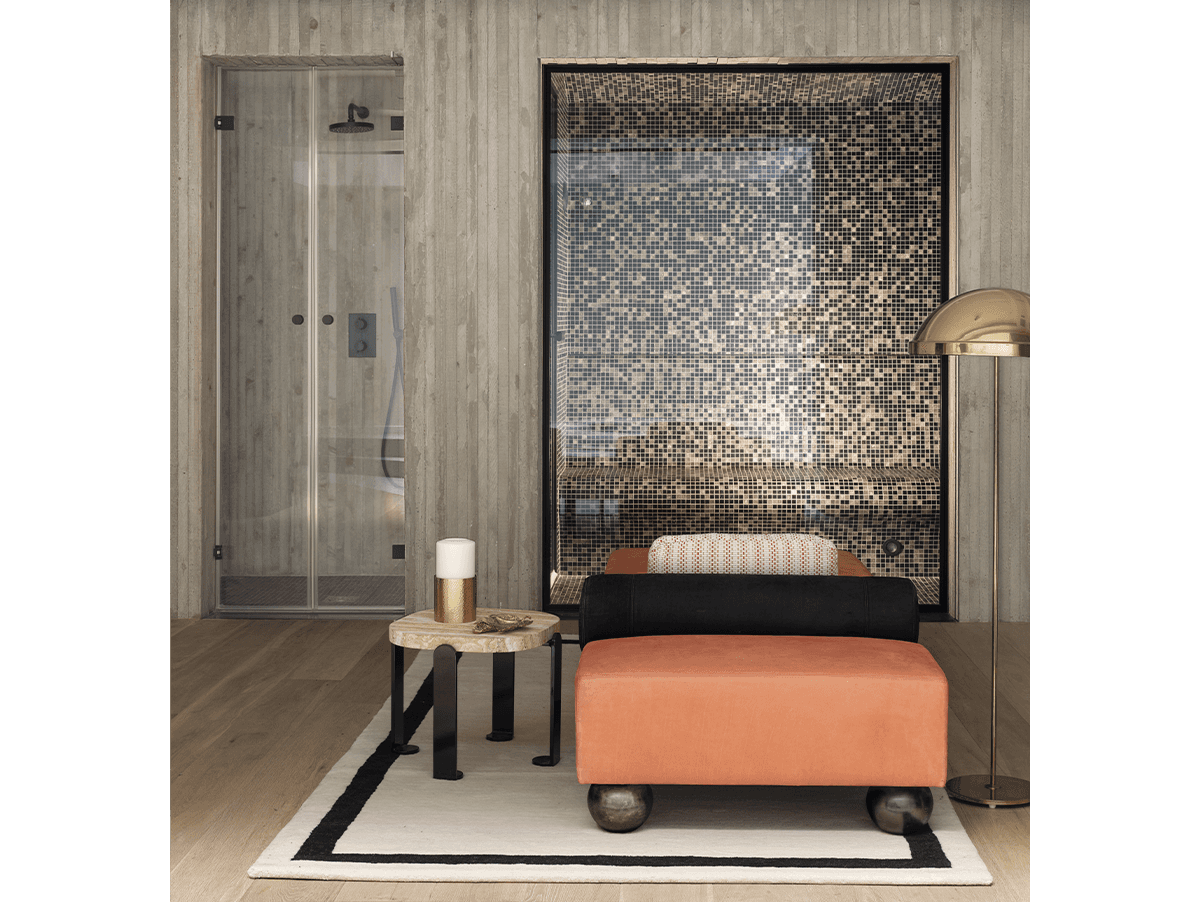
Spa area in Parisian townhouse by Le Berre Vevaud. Photos by Stephan Julliard.

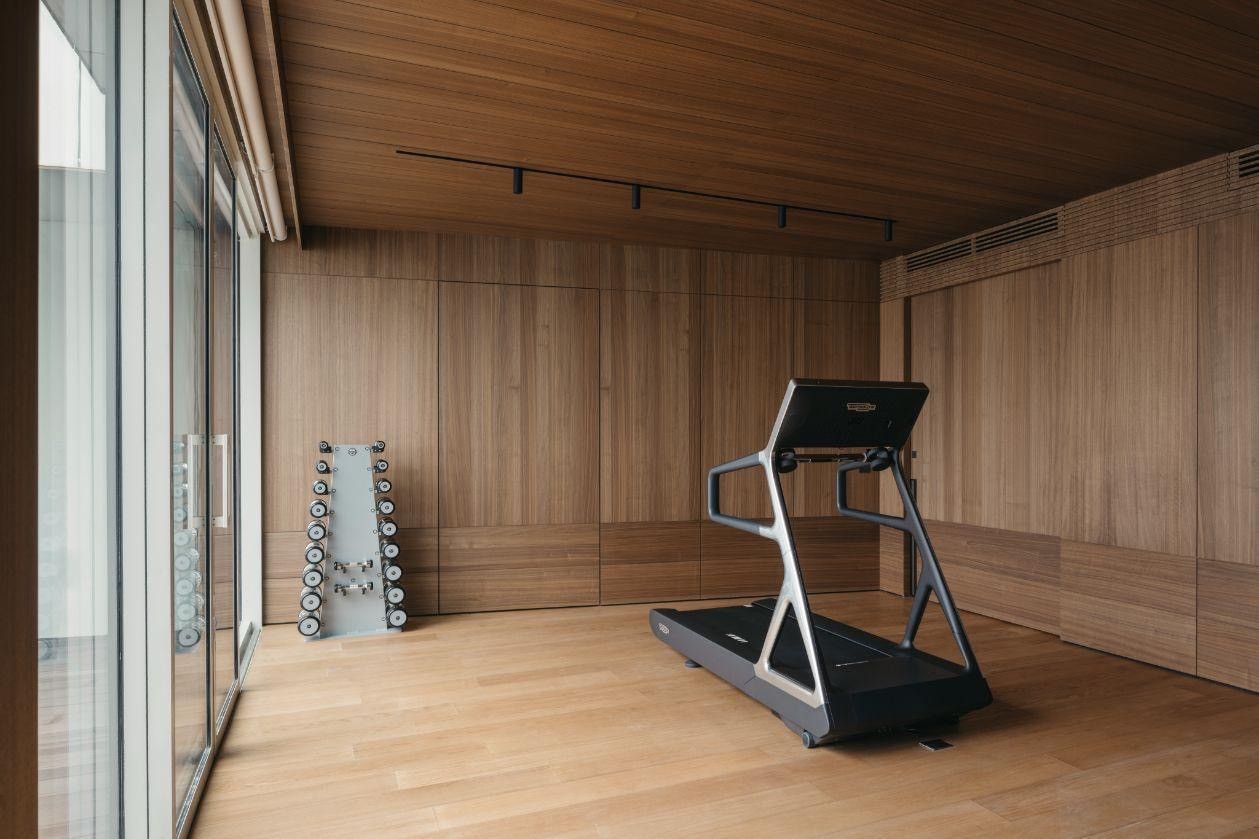
Home gym in Singapore penthouse designed by Monocot. Photos from Studio Periphery.
As wellness tourism and experiential luxury continue their meteoric rise, trophy homes are evolving into mini private resorts, designed to deliver the same curated indulgence once reserved for five-star destinations. These residences are no longer content with a simple spa bathroom or a home gym tucked into a spare room. Instead, they feature dedicated wellness wings complete with hammams, meditation studios, and fitness suites that rival the facilities of elite resorts. Entertainment, too, has been elevated: immersive screening rooms, performance-ready music lounges, and private sports courts transform leisure into spectacle. Trophy homes are shifting to be curated experiences, designed to make everyday life feel like a five-star resort stay. These estates represent the pinnacle of modern indulgence: sanctuaries where architecture, service, and lifestyle converge to make the extraordinary feel effortless.