
Business
Why Luxury Buyers Are Prioritizing Wellness Real Estate
written by felix shentaler

Wellness real estate sits at the intersection of lifestyle aspiration and long‑term strategy, attracting young professionals seeking healthier routines, families focused on their children’s well-being, and retirees intent on aging with vitality. High‑net‑worth individuals want homes that function as private retreats with flexible layouts suited for multigenerational living or remote work. Wellness real estate growth feels inevitable, setting the stage for a broader transformation across the luxury market.
That transformation is already well underway. Wellness has become the defining measure of value, comfort, and livability in high‑end real estate, replacing the era when architecture and location alone determined desirability. What began as a niche amenity has evolved into the organizing principle behind the world’s most coveted residential communities. Affluent buyers now desire homes that actively support health, longevity, and emotional balance, elevating wellness‑driven design to the gold standard of premium living.
Sotheby’s International Realty’s 2026 Mid‑Year Luxury Outlook report notes that nearly 38% of agents in the $10‑million‑plus segment see health-centred design as a major influence on buyer behaviour. Wellness real estate has more than doubled in size over the past five years and is projected to surpass $1.1 trillion by 2029. Lifestyle has overtaken taxes, economic stability, and political stability as the top purchase driver among luxury buyers, a profound reordering of priorities.
Millennials seem to be accelerating this evolution. Sixty‑six percent of agents report increased millennial activity in the ultra‑luxury tier, rising to 73% in the $5‑million‑plus category. Wellness‑certified buildings consistently outperform traditional luxury properties, with WELL and LEED certifications associated with higher resale values, stronger rental yields, and greater price resilience during market downturns. These advantages make wellness real estate both an emotional and financial opportunity, appealing to buyers who want their homes to enhance daily life while preserving long‑term value.
As wellness becomes central to luxury living, the range of features has expanded dramatically. Longevity suites now include diagnostic tools, biomarker tracking, and spaces for medical‑grade treatments. Spa‑level amenities such as hydrotherapy circuits, massage rooms, and thermal therapies are becoming standard. Homes increasingly incorporate holistic living zones for meditation, breathwork, and restorative practices, acknowledging that mental clarity and emotional balance are as essential as physical fitness.
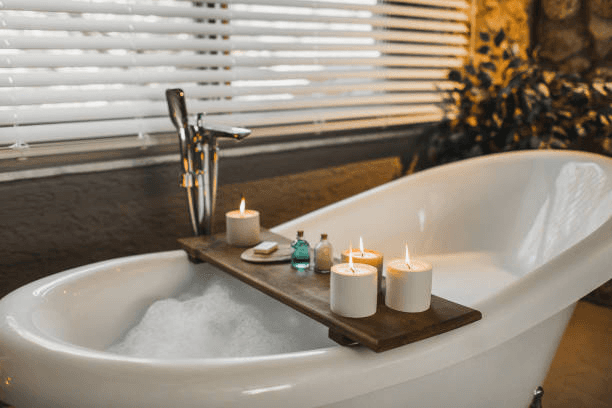
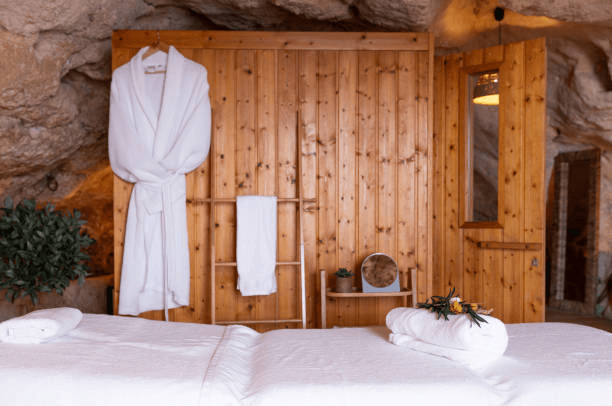
Getty Images/Oleg Breslavtsev Getty Images/Westend61
For some buyers, wellness begins with a single‑level floor plan that reduces fall risk with slip‑resistant surfaces, offers abundant natural light, and provides walkable access to nature. For others, it means top‑tier air and water filtration, integrated telehealth services, cold‑plunge and red‑light therapy rooms, and smart systems that automatically adjust lighting to support circadian rhythms. The most advanced properties integrate these technologies so seamlessly that they fade into the background, enhancing wellbeing without adding complexity.
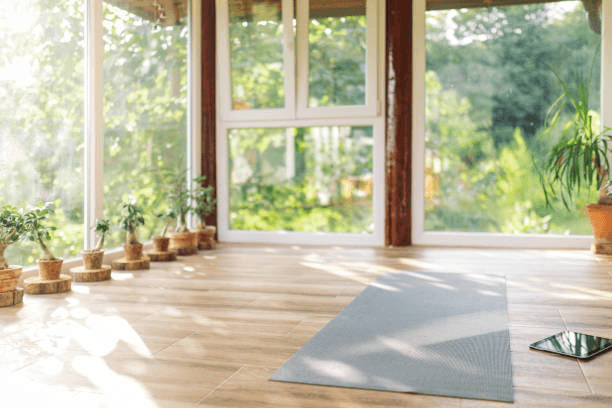

Getty Images/miljko Getty Images/Dulyanut Swdp
Developments are also redefining communal wellness. Many now include fitness and recovery facilities, with professional‑grade equipment, dedicated yoga and Pilates studios, and indoor–outdoor training areas that harness natural elements. Recovery has become as important as exertion, prompting the inclusion of massage rooms and therapeutic spaces designed for physical reset. Meditation rooms, sensory gardens, and technology‑free zones offer essential refuge from digital overload, creating environments where rest is treated as a vital component of performance. Communities that embrace this balance are seeing deeper resident engagement and stronger long‑term satisfaction.
The cumulative effect of these trends is reshaping how luxury real estate is valued. Homes and communities designed around wellness consistently command stronger resale premiums, a pattern supported by data from the National Association of Realtors. In competitive global markets, wellness differentiation can be decisive, attracting international buyers and supporting higher price points. As global wealth continues to prioritize longevity, balance, and holistic living, wellness residences are positioned to remain the defining expression of modern luxury—homes that elevate daily life while offering enduring financial strength.