Fashion
Why Fine Jewelry Is Becoming A Top Investment Asset
written by ellia romeiro-lourenco
There is a surplus of investment assets in the fine jewelry industry recently, and the big question is why? The answer is because gems so intricate and rare have a higher intrinsic material value than their counterparts. Market volatility and global economic uncertainty are how wealthy consumers are treating their fine jewelry pieces as deployable means of wealth. Wealthy collectors showcase DSF New York Antique Jewelry their affluence through unique gems, for jewelry has become an even larger status symbol than ever before. The scarcity of fine jewelry factors into the demand, with luxury jewelry consumers yearning for pieces that are one in a million.
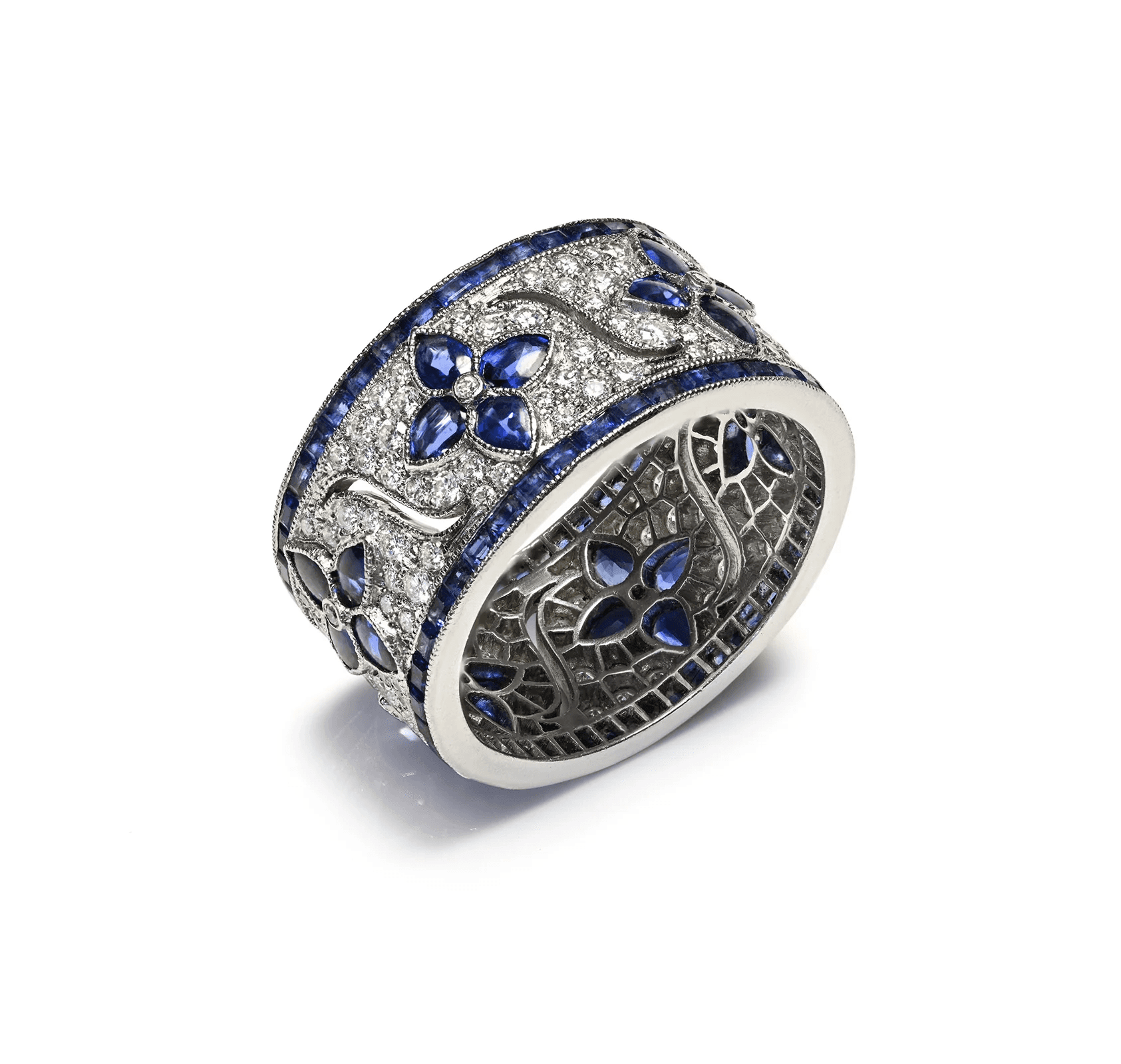
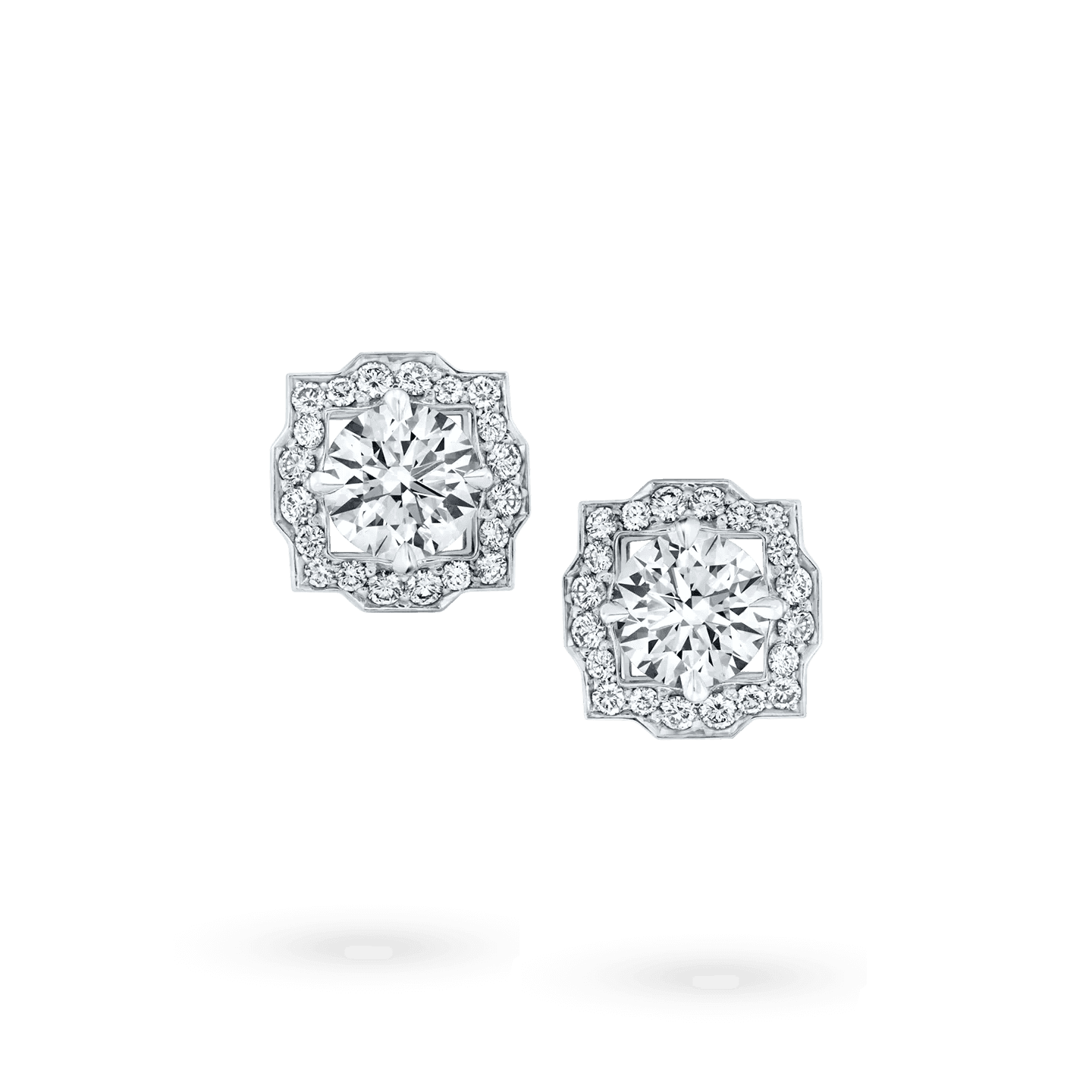
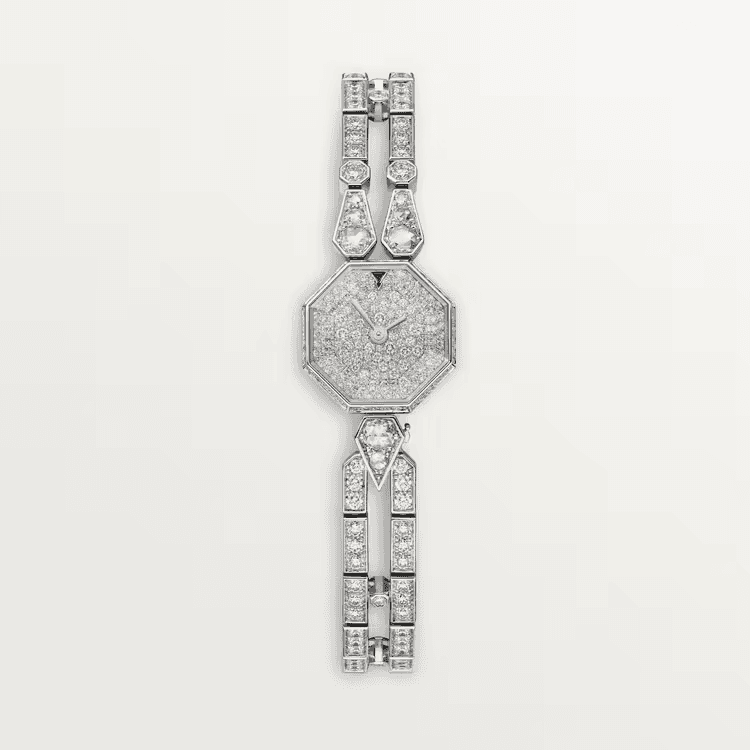
Fine jewels are not simply a purchase that one makes without thinking about longevity. It’s not only about which piece has the most impressive price tag, but about which will hold its value and maintain its beauty in the long run. Authenticity, quality, market relevance, design and rarity are factors that collectors keep in mind when purchasing fine jewelry. Especially in auctions. Consumers are aware that the jewels they purchase in auctions for insurmountable prices are better investment pieces as opposed to other means of long-term traditional assets. For it is a tangible means of wealth and can be observed by the wearer and admired by the public. Sotheby’s is one of the many auction houses where such gems are sold. They are one of the world’s prestigious brokers for fine art, luxury items and collectibles. Each month the global auction house hosts their “Gem Drop” where they sell some of the rarest stones known to man to the highest bidder. From Sotheby’s Gem Drop September 2025 fine jewelry to antique collectors pieces, Sotheby’s sales feature a wide selection of gems from brilliant white diamonds, to coloured stones, and loose gems, often ranging between $20,000 and $300,000.
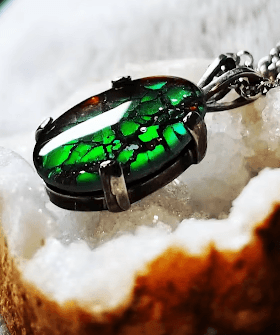
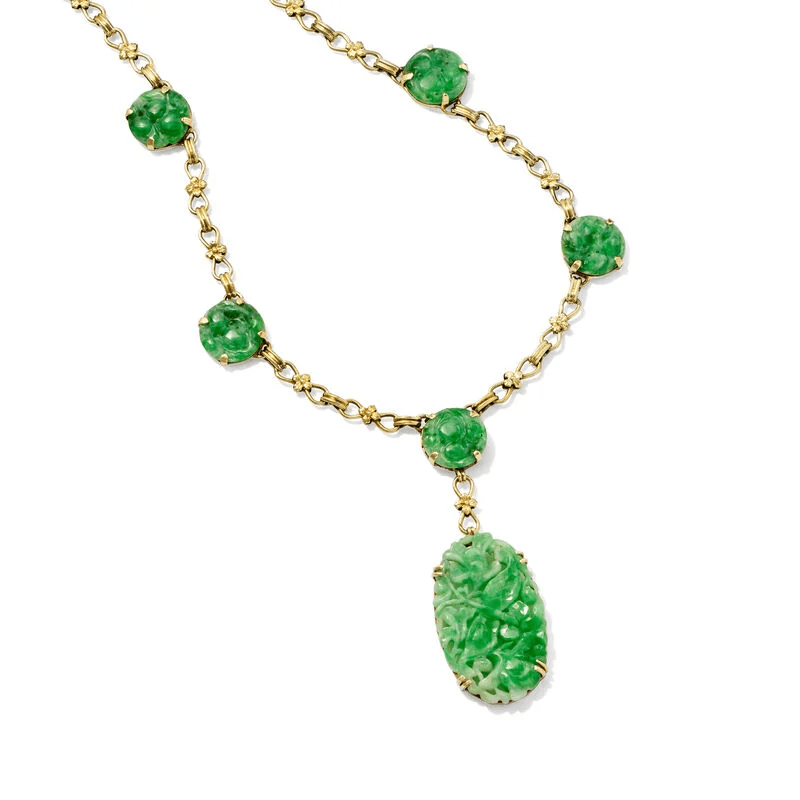
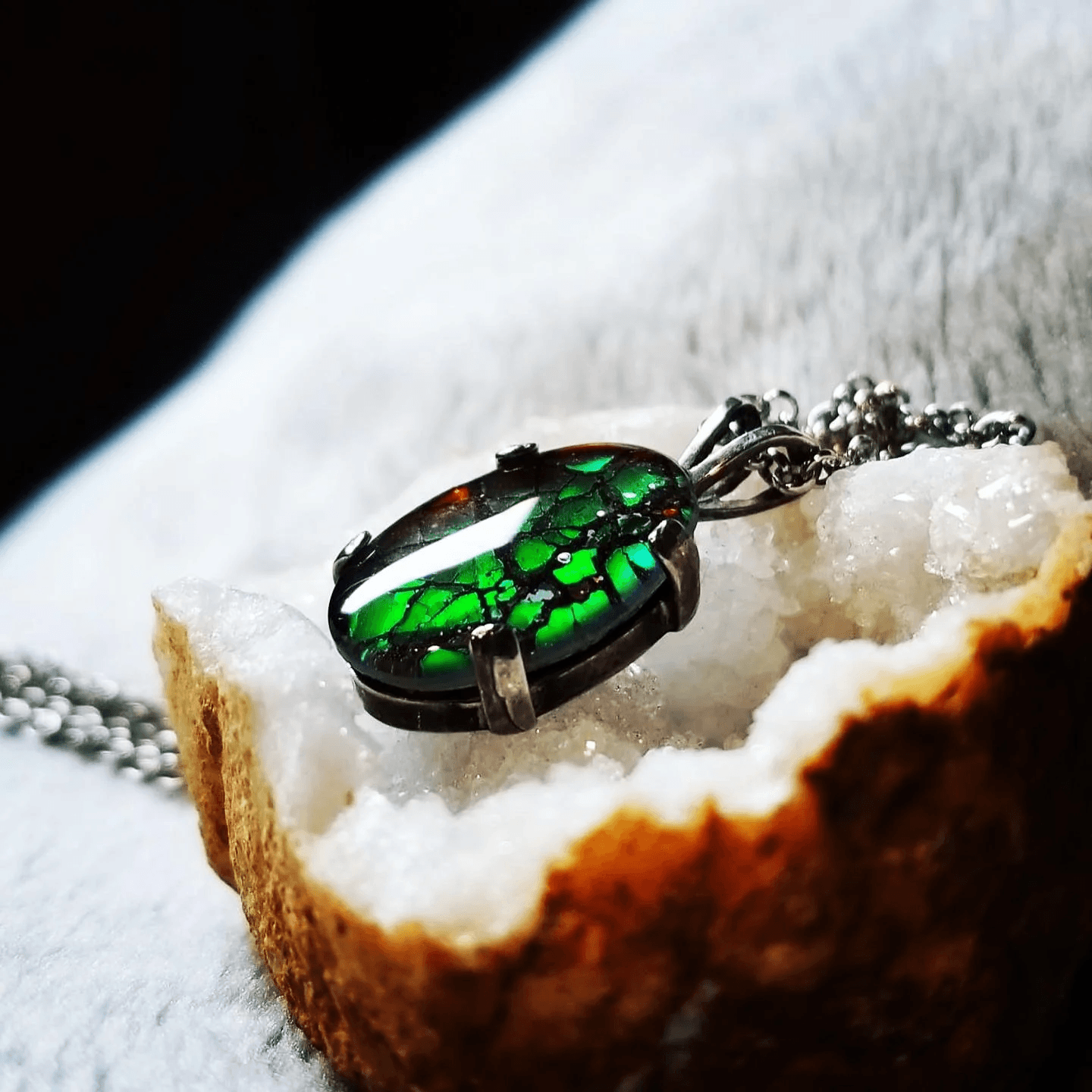
Ammolite, Jadeite, and Tanzanite all sound like ancient relics. But they're rare gemstones used in fine jewelry. The fine jewelry industry thrives rarity. When a gem is rare, its appeal and price skyrockets, for it is completely exclusive and often the only one in its make. Nobody wants to own the same thing as everyone else;. That's why rare gems are a solid way to ensure that the jewels you purchase are like nothing that has been seen before. A large proponent of a gems rarity comes in the colour. Natural gemstones rely on centuries of geological formation that combines the incredibly specific mix of trace elements, with volatile metals and unparalleled geological conditions such as heat and pressure, that can only align on very few regions like Eastern Africa, and many countries across Southern and Southeast Asia. These unique colours are so scarce that only one out of 10,000 carats of fashioned diamonds are coloured. With chances of intense colourways being 1 in 25,000. Rarity will continue to be the driving force Ammolite, Jadeite, & Tanzanite Fine Jewelry Necklaces of the fine jewelry industry, wealthy consumers willing to splurge more on something they know nobody else will get their hands on.
Collectors of fine jewelry should have a list of queries upon procuring such regalia. The most imperative ones being; Is the design strong? Is this piece the work of an acclaimed jeweler? Are there high quality materials used in this piece? And most importantly, does it feel individual in comparison to similar pieces in the market? Each of these are valid questions that should be considered before obtaining such a lavish product. By purchasing or bidding with intent, integrity, and interest, fine jewelry clientele acquire stones that are tethered to their personal identity.
The fine jewelry industry is one that will remain so long as the demands for such pieces endure the test of time. With more fine jewelry consumers finding themselves purchasing long-lasting pieces at a higher price rate, the desire to have deeply unique jewels persists.