Business
Why Fine Dining Has Become Fashion’s Favorite Networking Space
written by sarah eros

Michelin-starred restaurants have quietly moved away from just places to try or celebrate special occasions — they are now one of the most important networking environments in the luxury industry. deals are discussed over tasting menus, brand collaborations are being planned between courses, and some of the most influential connections in fashion are now happening over a round of canapes. Unlike formal meetings or public events, fine dining creates a level of privacy in a trusted space. Paris, Milan, and New York City offer backdrops to contract-signing in restaurants such as Le Bernardin, Osteria Francescana, and L’Arpège where fashion executives, stylists, buyers, and creatives overlap socially and professionally. Naturally, fashion has merged into this environment as The dress code becomes part of the networking language where tailoring, luxury pieces, and carefully chosen accessories signal status and representation.
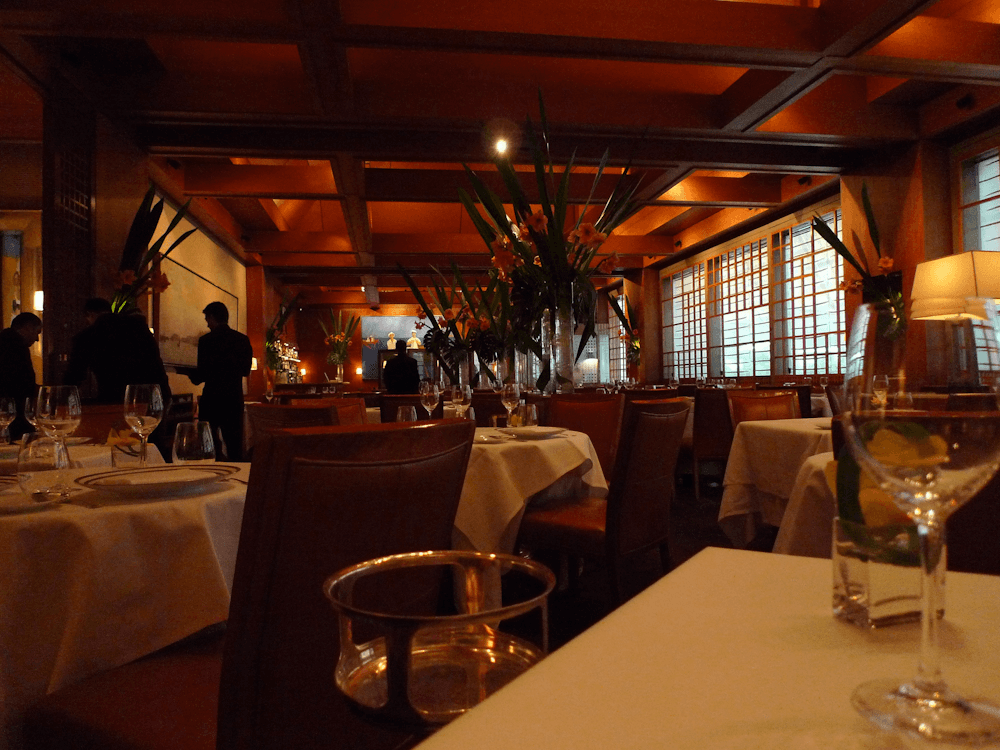
Le Bernardin
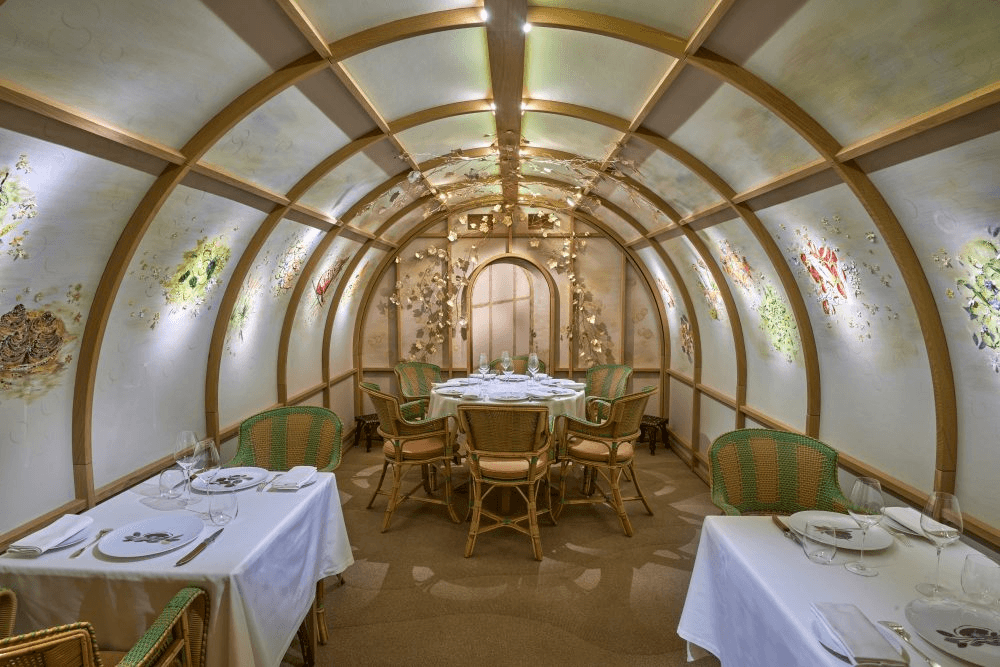
L’Arpège
Michelin-starred restaurants also offer something the fashion industry increasingly relies on: time. Long dinners allow for extended conversations without interruption. A single meal can last several hours, creating space for relationships and connection to develop. That slower pace is one of the reasons these environments are so effective for dealmaking.
Many luxury houses have also started treating restaurants as extensions of their brand ecosystems. Private dinners during fashion week, curated tasting menus, and exclusive after-hours reservations are now standard parts of how brands host buyers and press. Instead of traditional showroom presentations, some of the most influential brand conversations are happening over wine pairings and multi-course menus. There is also a subtle hierarchy built into this space. Securing a reservation at certain restaurants shows your access and exclusivity if the restaurant is highly talked about. When fashion week seasons emerge, demands for tables at these venues spike, making your presence in these spaces signal proximity to industry networks, even before any formal introductions are made.
What makes fine dining so effective as a networking space? There are no name tags, no formal agendas, and no staged interactions. Everything happens naturally within conversation, which is exactly why it works so well for industries built on relationships rather than transactions.
The power of fine dining lies in the exclusivity and intimacy that can only be offered at select locations. The industry will continue to move forward and as the boundaries between hospitality, fashion, and luxury continue to blur, Michelin-starred restaurants have become unofficial headquarters for the industry's most influential players and have secured their place as one of the industry's most powerful networking arenas.
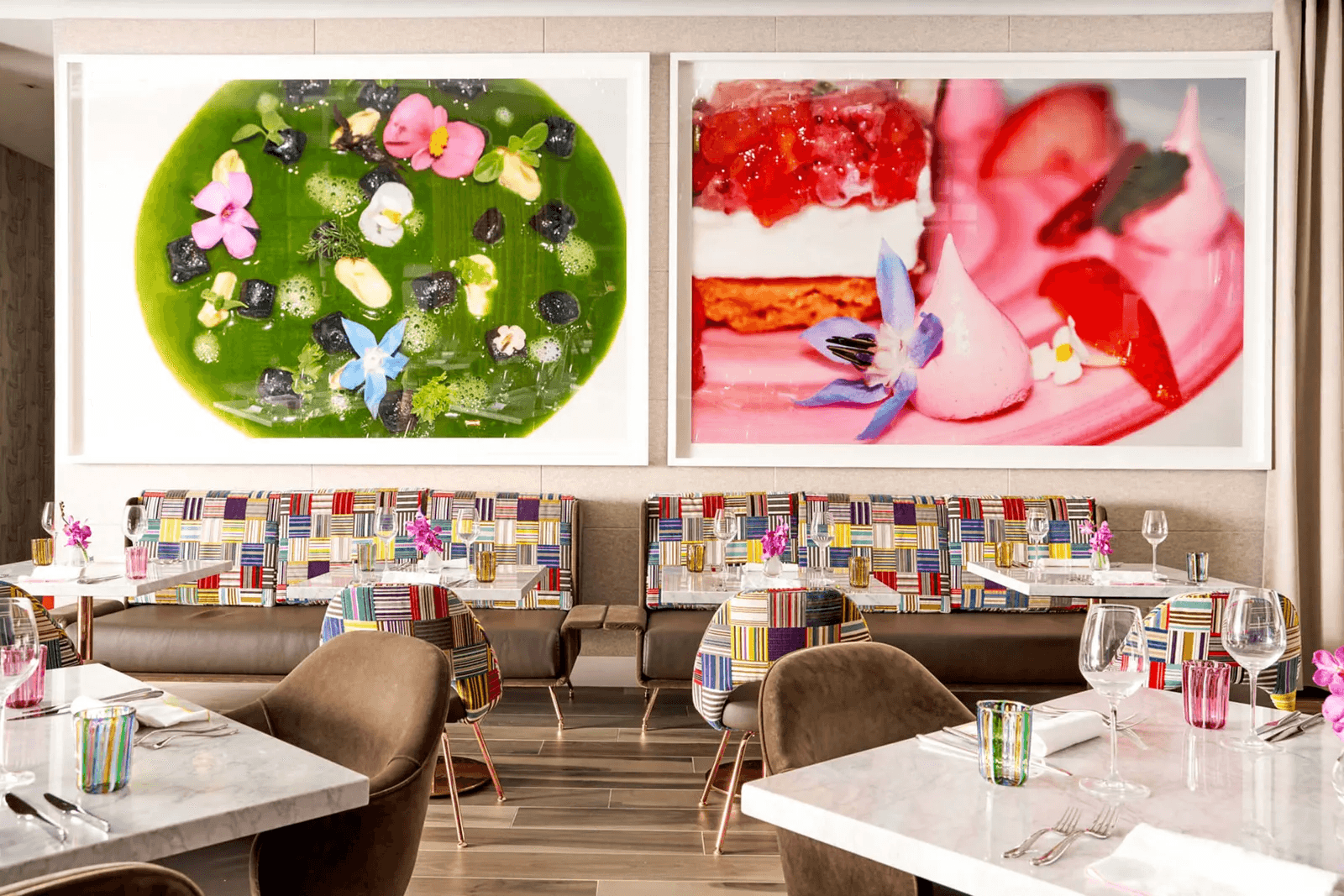
Forty Five Ten in downtown Dallas. Forty Five Ten
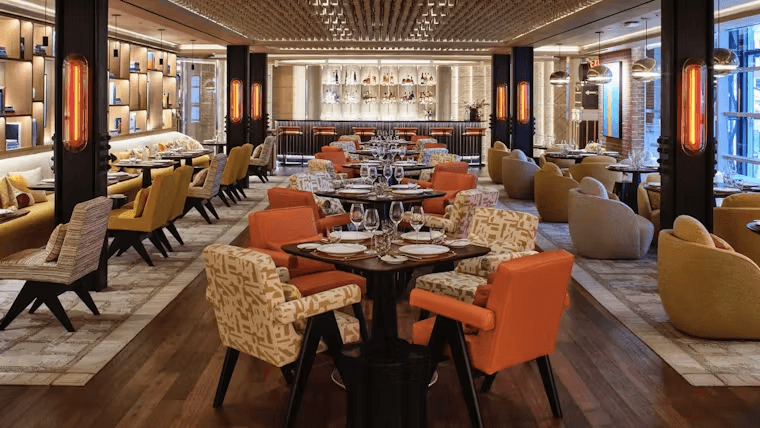
Le Café Louis Vuitton, New York City