Beauty
The Rise of Micro-Trends: How Fast Is Too Fast?
written by mariana lora

Ballerinas, then cowgirls. Coquette, then “Midwestern chic.” Then brutalist dystopia. Fashion trends are now moving so quickly that aesthetics can rise and fall within the span of a single week. One moment, a beauty influencer appears on TikTok explaining what the “it girls” are wearing this summer, Open the app days later and that same trend has jumped from trendy to tacky, replaced by an entirely new identity consumers are expected to adopt.
This is the reality of modern fashion: the rise of the micro-trend cycle and its increasingly chaotic effect on both consumers and the industry itself.
Fashion was once associated with longevity, craftsmanship and the pursuit of timeless beauty. Trends still evolved, but they did so gradually, often shaped by designers, cultural movements and seasonal runway collections. Today, social media, particularly TikTok, has accelerated that process beyond recognition. Algorithms reward novelty and constant engagement, creating an environment where aesthetics are consumed, discarded and replaced at unprecedented speed.
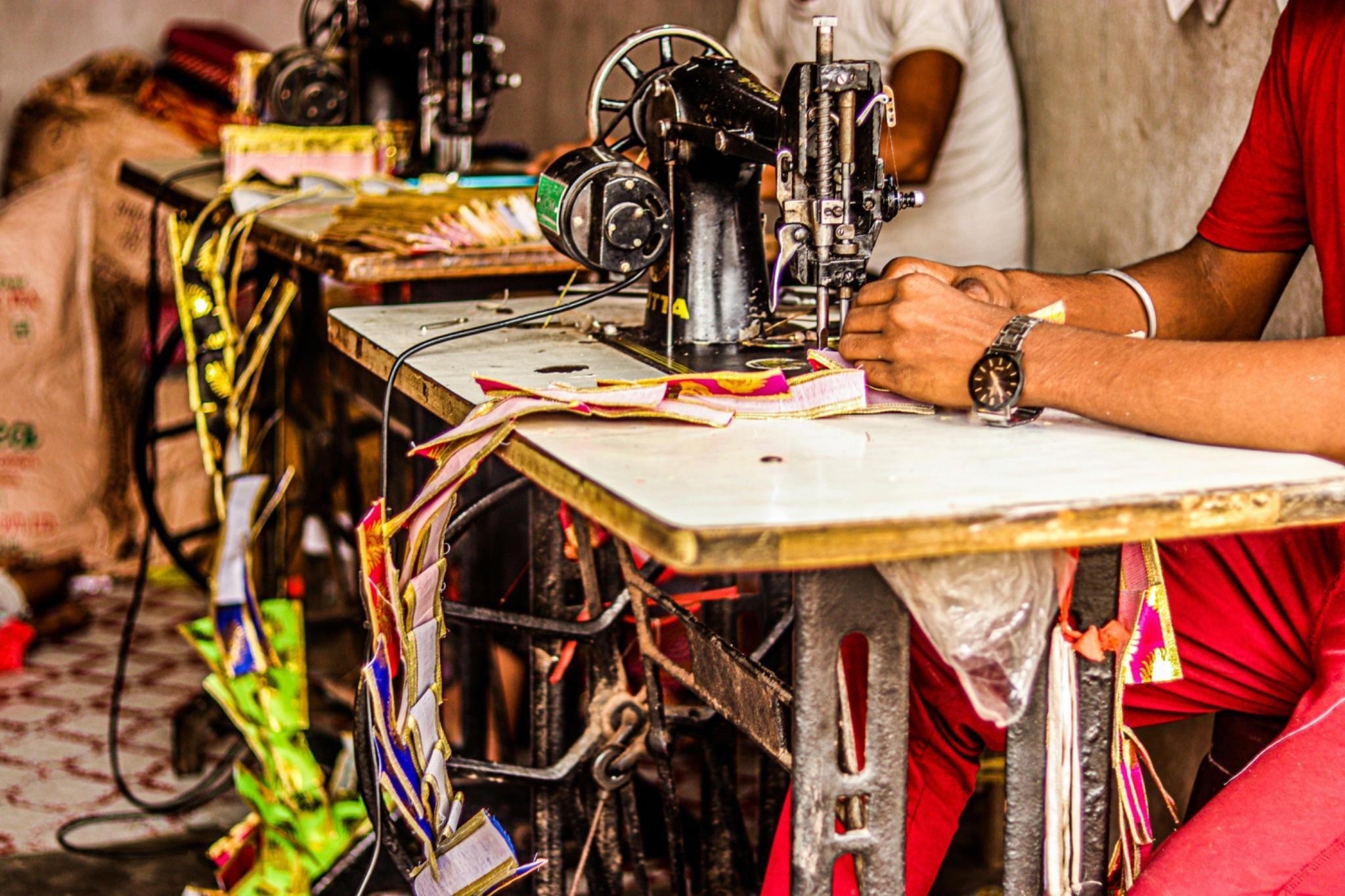
Tailors working in poor conditions, an issue that has increased in recent years with the rise of microtrends.
Pexel image by Swastik Arora
The result is a culture of impulsive consumption. A consumer sees a trend repeatedly online, feels pressure to participate before it disappears and purchases inexpensive fast-fashion versions to keep up. Days or weeks later, the trend is no longer relevant, leaving behind clothing that quickly feels outdated. What once seemed aspirational becomes embarrassing almost overnight.
Much of this cycle is driven by influencers and celebrities, who increasingly shape public perception of what beauty and style should look like. Hollywood and social media personalities now have the power to redefine aesthetics every few months, filtering those changes through short-form videos designed to capture attention instantly. These trends often spread less because of genuine innovation and more because of repetition and idolatry. When audiences are exposed to the same visuals repeatedly, especially from someone they look up to, the pressure to participate becomes difficult to avoid.
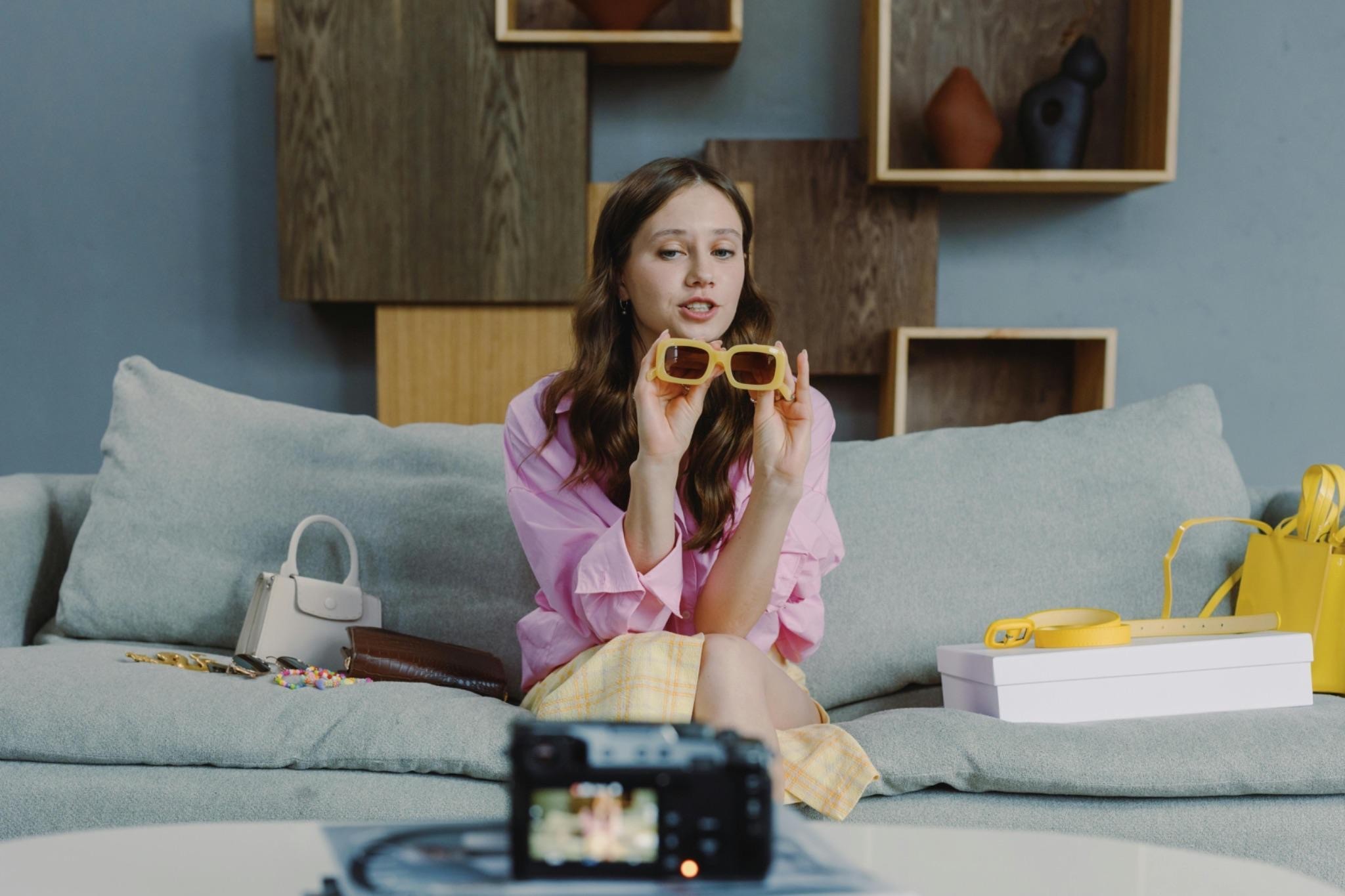
Fashion influencer posing for the camera as she shows off her favourite buys. Influencers are the biggest push towards hive-mind consumerism.
Pexel image by Ron Lach
For younger consumers especially, fashion has become tied to online identity. Clothing is no longer just about personal style, it is content. Outfits are curated not only for real life, but for photographs, videos and social validation. In that environment, repeating the same aesthetic for too long can feel socially risky, pushing consumers toward constant reinvention.
The environmental consequences are significant. Fast fashion retailers are able to react to TikTok-driven demand at alarming speed, producing low-cost versions of viral items within days. As trends disappear faster, clothing is treated as disposable. Pieces are worn a handful of times before being abandoned, contributing to growing textile waste and unsustainable production cycles.
Harley Weir and Urs Fischer made up a photoshoot for Stella McCartney showcasing this global issue, featuring a glamorous model draped over a large pile of garbage. It is meant to represent that issue of ignorance towards over-consumption and the public's need for beauty and novelty regardless of its potential negative impact.
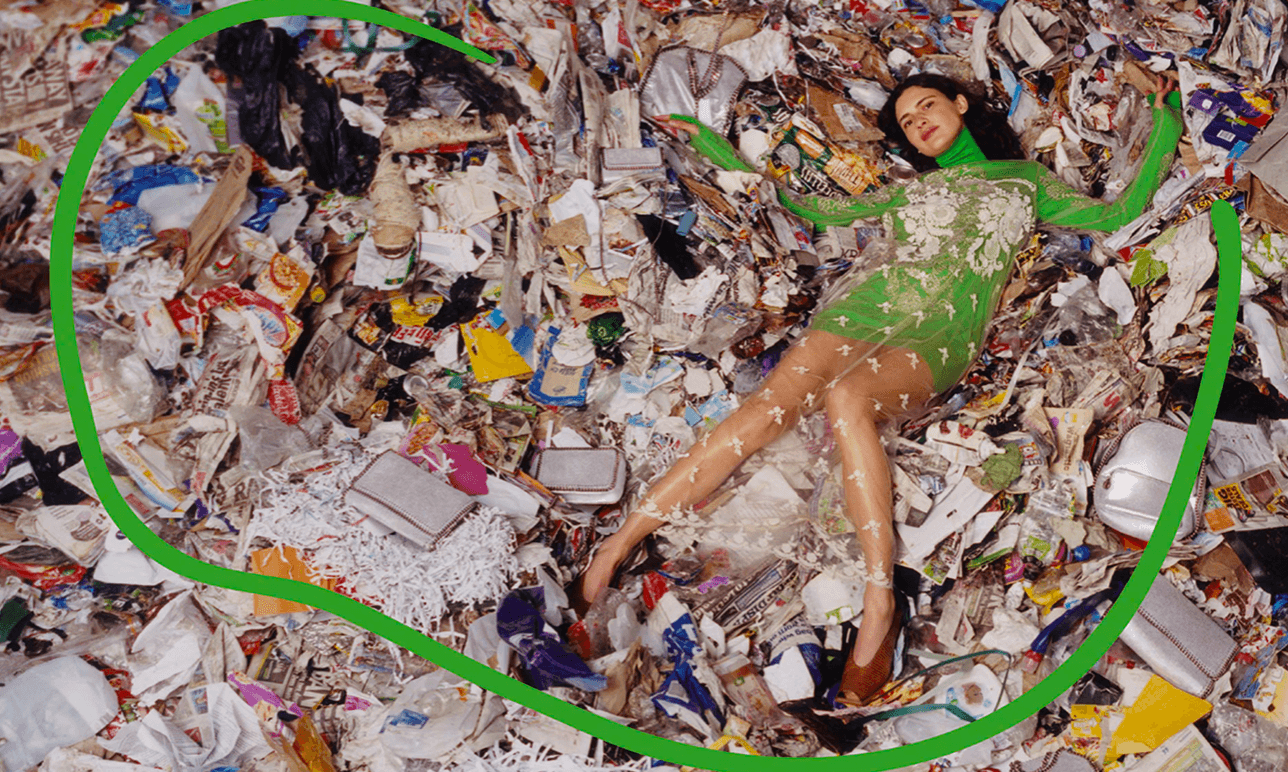
Image by Harley Weir and Urs Fischer for Stella McCartney
At the same time, the speed of trend turnover is beginning to create fatigue. Some consumers are pushing back against the constant pressure to keep up, turning instead toward minimalist wardrobes, vintage shopping and investment pieces designed to last beyond a single algorithm cycle. The rise of “quiet luxury” and capsule dressing suggests a growing desire for stability in a fashion landscape dominated by excess and trends that are made to disappear as quickly as they arrived.
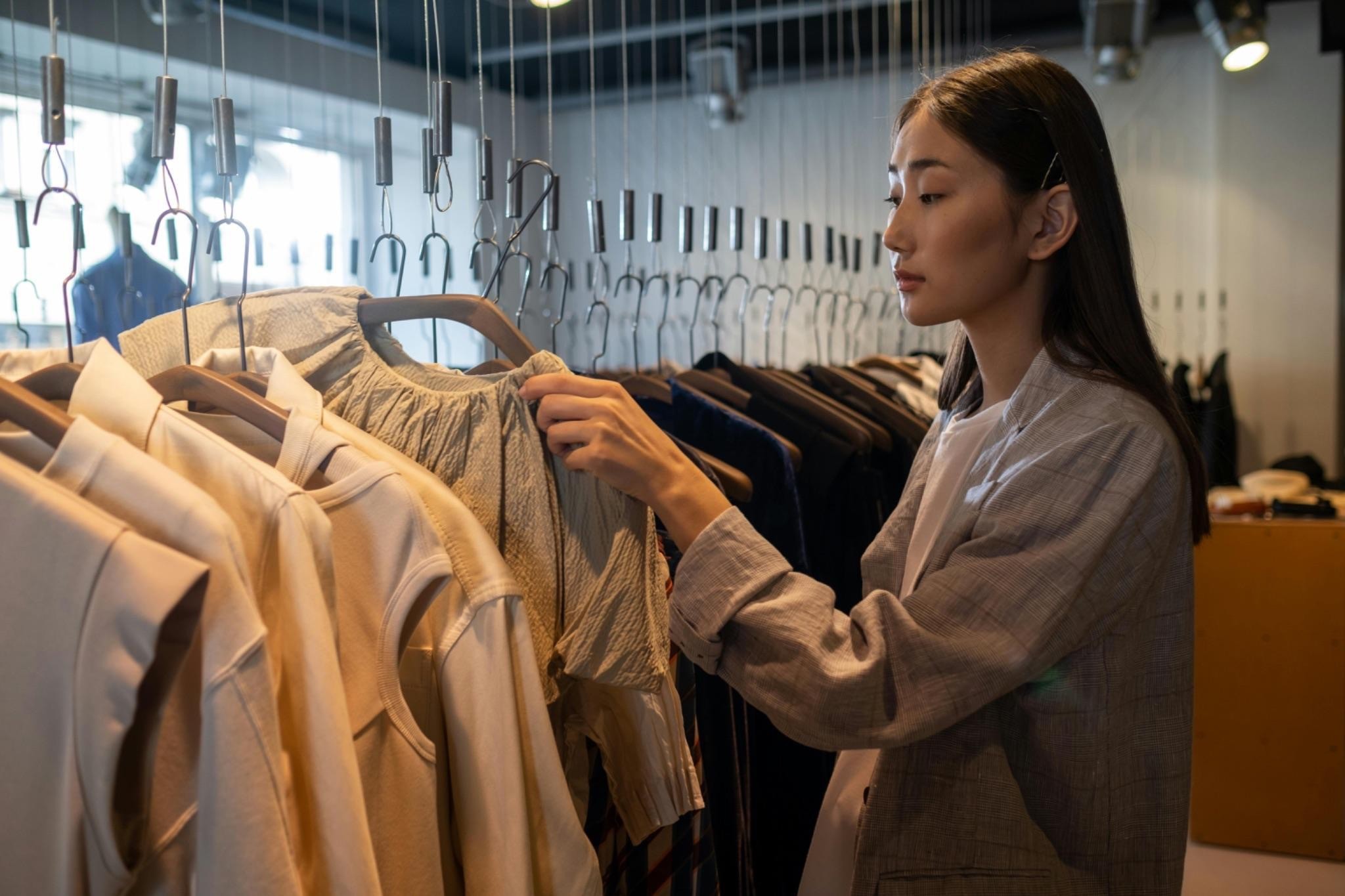
Pexel image by Ron Lach