Fashion
The Rise of Hyper-Feminine Fashion in 2026
Written By Laiba Sheraz

Bows on everything, lace where there used to be leather, and a couture hangover that refuses to clear. Why 2026 decided softness was the sharpest move in the room.
Fashion has spent a few seasons in its sensible-shoe era, all stealth wealth, taupe everything, and the quiet thrill of an unbranded cashmere. And then, seemingly overnight, 2026 tied a bow on it. Hyper-femininity is back, and it did not arrive whispering. It arrived in lace gloves, holding a teacup, looking like it had somewhere romantic to be.
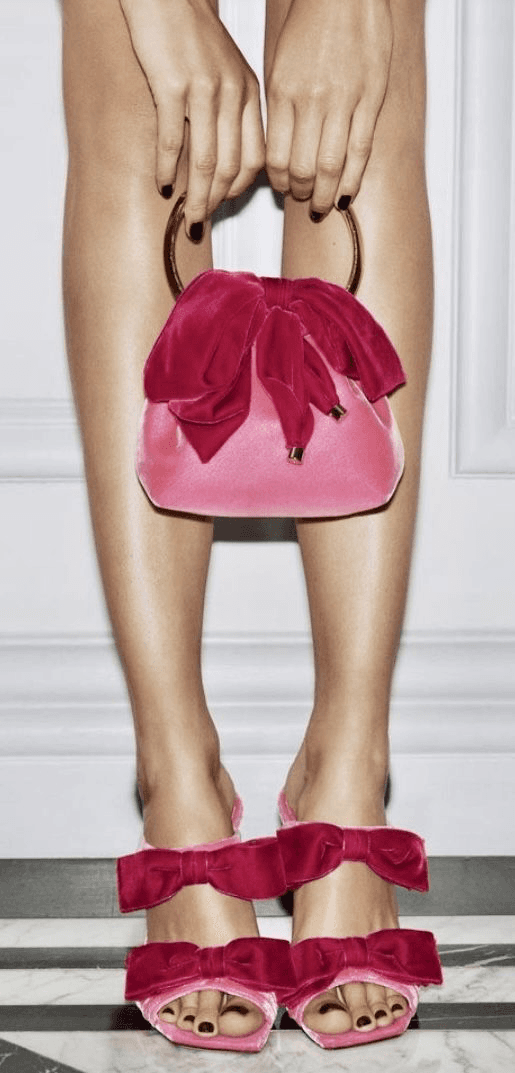
The bow is the season’s load-bearing motif. It is on shoes, in hair, at the throat, cinching waists, dangling from bags, and in the more committed cases functioning as an entire neckline. What began as a coquettish accent has metastasised into a worldview. To wear a bow in 2026 is to make a small, deliberate statement: I am choosing prettiness on purpose, and I dare you to call it frivolous.
Lace has staged a similar comeback, shedding its lingerie connotations and reappearing in broad daylight, over tailoring, under blazers, as a full dress that means business precisely because it looks like it doesn’t. Sheer panels, scalloped edges, the faint Victorian ghost of a high collar. It is delicate, yes, but worn with the posture of someone who knows delicacy is a flex when you can afford the dry cleaning.
The engine behind all of this is couture-inspired dressing trickling, gloriously, into real life. Boned bodices, dramatic volume, the architectural waistline, silhouettes that used to live exclusively on a runway or a red carpet have been gently translated into clothes a person might actually wear to dinner. The result is a kind of everyday theatricality. Getting dressed has become an event again, and the beauty looks have followed: glassy skin, a flushed cheek, a glossed lip, hair that looks ribboned even when it isn’t.
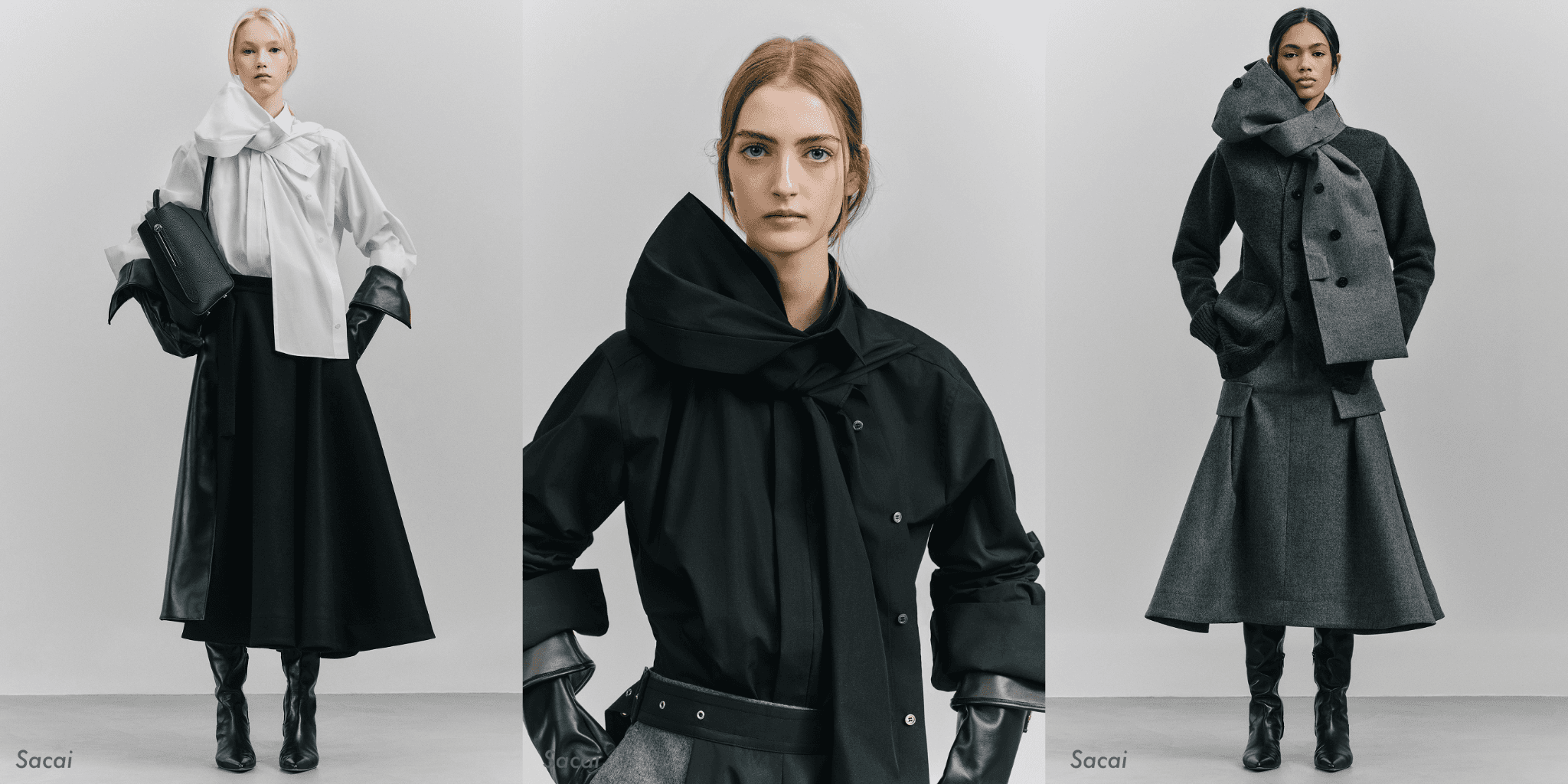
Celebrity influence has, as ever, poured accelerant on the whole thing. The pop stars in corsetry, the actresses in balletcore, the entire cultural moment of leading women deciding that soft and powerful were never actually opposites, it gave the trend its permission slip. When the most photographed women in the world start dressing like the prettiest person at a very expensive garden party, the rest of the calendar reschedules.
What is genuinely interesting is the politics tucked inside the tulle. Hyper-femininity in 2026 is not the apologetic kind. It is not asking to be taken seriously despite the ruffles; it is insisting the ruffles are the seriousness. After years of women being told that credibility required a certain hardness, sharp shoulders, dark colours, a vague apology for taking up space prettily, there is something almost defiant about the return to overt, unbothered softness.
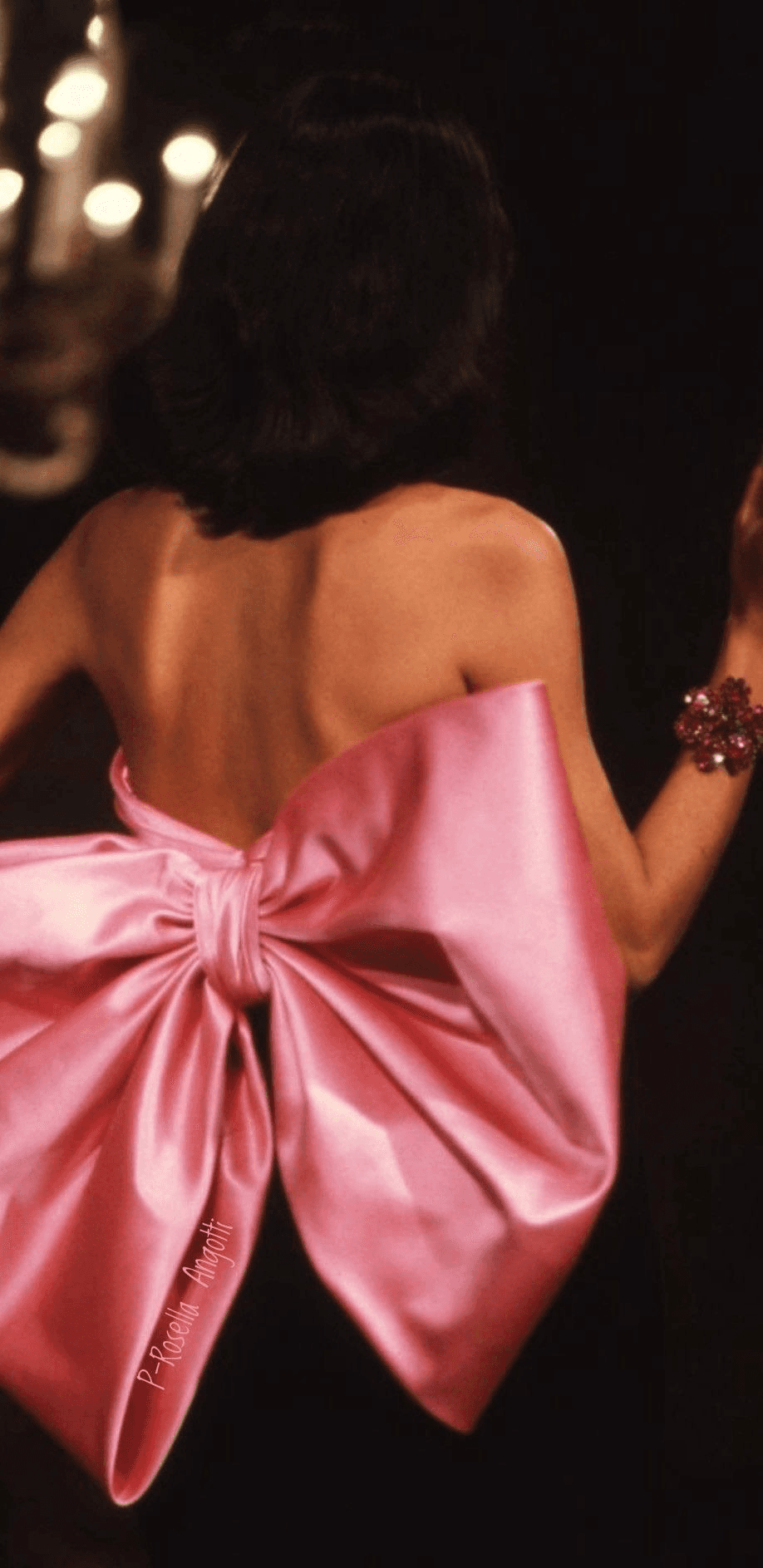
It is also, let us be honest, simply more fun. Quiet luxury was an excellent discipline and a slightly boring party. Hyper-femininity brings back the pleasure principle: the swish of a skirt, the click of a kitten heel, the small daily joy of an outfit that has opinions. Beauty counters have noticed, leaning back into blush, into shimmer, into the kind of romantic, lit-from-within finish that pairs with a bow rather than fighting it.
There will be a correction, of course, there always is, and somewhere a designer is already sketching the brutal minimalist rebound. But for now, 2026 belongs to the lace, the ribbon, the considered flounce. The smartest people in the room have realised that softness, deployed with intention and an excellent budget, reads as confidence. The bow, it turns out, was never the weak point. It was the statement.