
Beauty
PDRN Skincare: The Glazed Donut look with Salmon-DNA
Written By Laiba Sheraz

PDRN: the most consequential skincare ingredient of the post-filler era, explained without the squeamishness, with five products worth your countertop.
There has been a sudden shift from “how much filler” to “can we dissolve some” in most Toronto's top medi-spas.
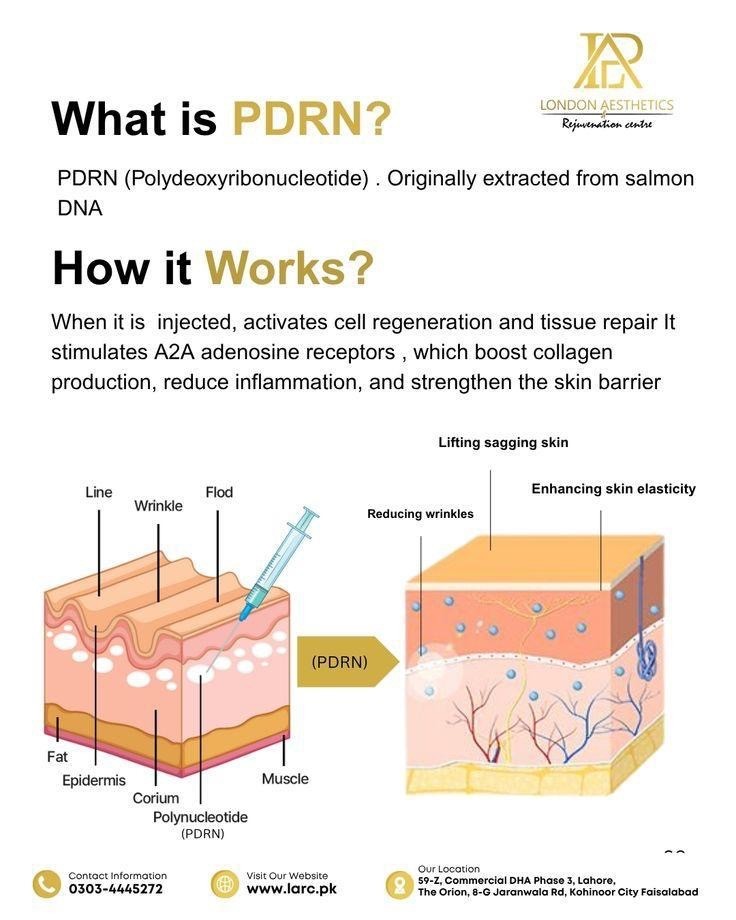
Call it the Natural Reclaim; the inevitable correction after a decade of overcorrection. The destination is a softer, less-Botoxed, less-fillered face that looks like a better version of itself. At the centre of the new playbook is an ingredient with a faintly unsexy name and a slightly unappetizing source story: PDRN, polydeoxyribonucleotide, derived from purified salmon DNA. Get past the sourcing. The science is real.
WHAT IT DOES
PDRN is a small fragment of DNA that, once it reaches your cells, a series of wonderful things start happening, skin cells start multiplying faster, collagen production picks up, inflammation settles. Blood flow at the surface improves. The result is skin that behaves as though it were younger, building new structure, calming down, and looking, in the unscientific phrase that fits best, better-blooded.
WHY NOW
Three reasons. The ingredient itself is comparatively gentle, builds rather than fills, and pairs with retinol and peptides without the irritation that limits similar mechanisms. The cultural shift: Hailey Bieber-style glass skin, the wider rejection of obvious cosmetic intervention, the soft return to actual skin texture. And K-beauty's formulation lead, Korean labs have been working with PDRN more than a decade longer than their European counterparts, which means the topical category, in 2026, is not just a marketing exercise.

Photo: Courtesy of @haileybieber
A SHORT CAVEAT
Topical PDRN is not equivalent to in-clinic PDRN. The molecule is large; penetration is the line that separates a serious product from a hopeful one. Look for at least one percent (10,000 ppm). Definitely skip on this if you have a salmon allergy.
THE FIVE WORTH YOUR COUNTERTOP
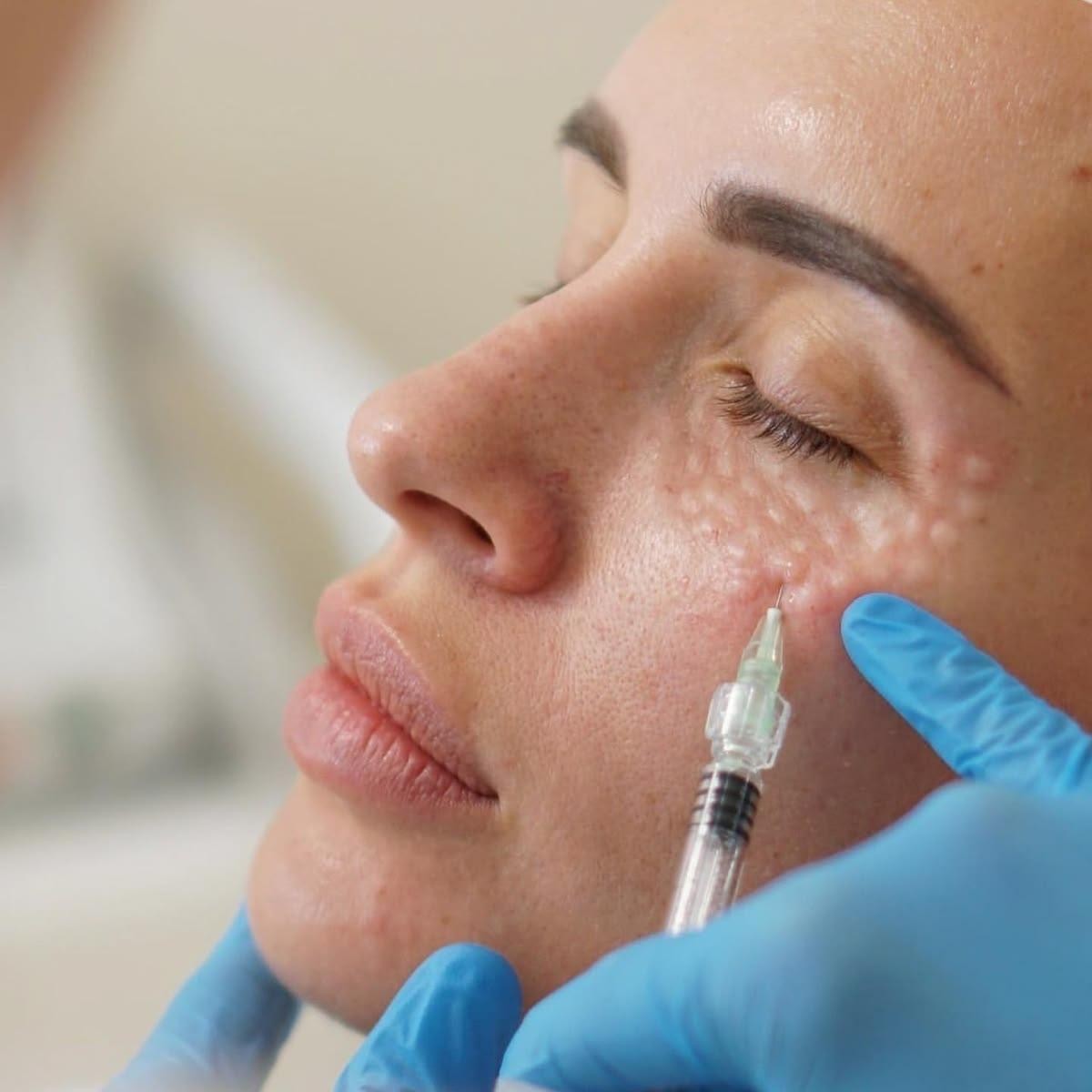
Photo: The process of the injectable PDRN
Rejuran Healer (in-clinic injectable). The category-creator and the gold standard. Three sessions, four weeks apart, by a licensed practitioner. Toronto clinics including SkinClub, Project Skin MD, and Yorkville Dermatology now offer it; expect $700 to $950 per session. The version with the most clinical support behind it.
Medicube PDRN Pink Peptide Serum (~$32). The K-beauty hero, salmon DNA, peptides, and niacinamide in a lightweight formula that layers under makeup without pilling. Stocked at Sephora.
Anua PDRN 100+ Serum (~$28). The version for sensitive skin: sodium DNA and hyaluronic acid, with a stripped-back ingredient list. Best for rosacea-prone routines or post-procedure care.
VT Cosmetics PDRN 100 Essence (~$36, vegan). The vegan answer, a ginseng-derived analog at 100,000 ppm. The mechanism is close enough that early dermatology consensus treats it as a reasonable substitute.
NEEDLY PDRN Treatment Toner Pads (~$24). A daily-delivery format and a cult favourite among Korean estheticians for travel and post-procedure care. PDRN with panthenol and madecassoside.
THE BOTTOM LINE, HONESTLY
PDRN is not the next retinol and it is not the miracle K-beauty marketing wants it to be. The in-clinic version has real clinical support. The topical category is, today, somewhere between underwhelming and promising depending on whose data you read; the molecule is large, and large molecules do not march obediently through the skin barrier. Most "glow in fourteen days" testimonials are a peptide, a niacinamide, and a sunscreen doing the work the salmon is taking credit for.
Worth watching, not worth panic-buying. Start with the in-clinic if the budget allows; otherwise Medicube and NEEDLY are the efficient at-home entries. The cool answer this year is salmon. The honest answer is still sleep, sunscreen, and three good lasers.