Runway
Milan Fashion Week – Bottega Veneta
Written By Mariana Lora

At Milan Fashion Week, Bottega Veneta kept its position as a house built on craftsmanship. Founded in 1966 in Vicenza, the brand has long established its identity through precision, quality and its signature intrecciato technique, a method of weaving leather strips to create a durable and instantly recognizable texture. While best known for its handbags, Bottega Veneta’s influence extends across ready-to-wear, footwear and accessories, all grounded in the same philosophy of quiet luxury.
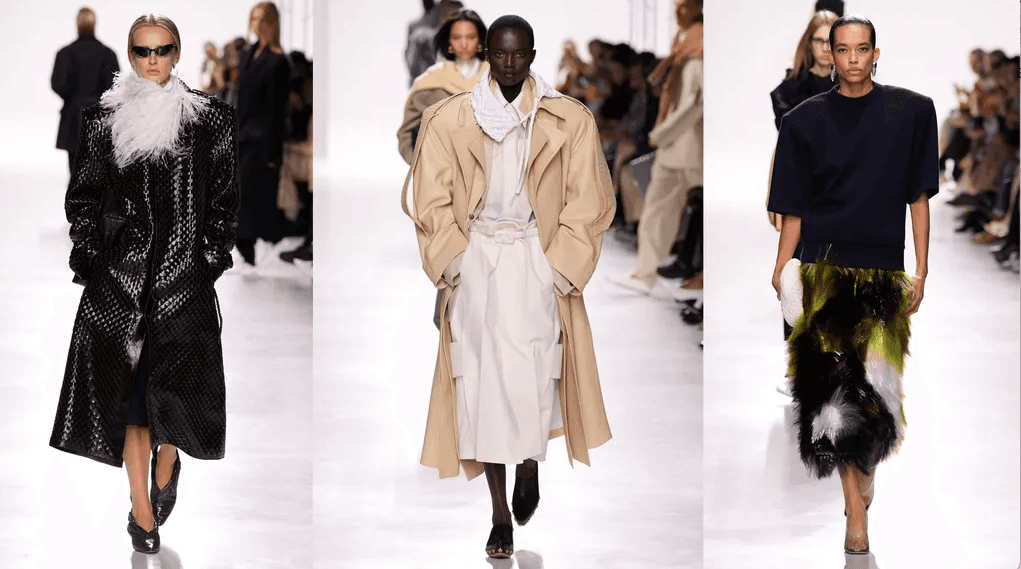
Image by Launchmetrics Spotlight
This season, that foundation remained present but evolved. The collection leaned into what has historically worked for the brand, while introducing a more modern edge. On the runway, sharply tailored coats and structured leather pieces were balanced by softer, more fluid silhouettes. The contrast between rigidity and movement felt deliberate, creating a dialogue of variety and flexibility rather than presenting a singular aesthetic.
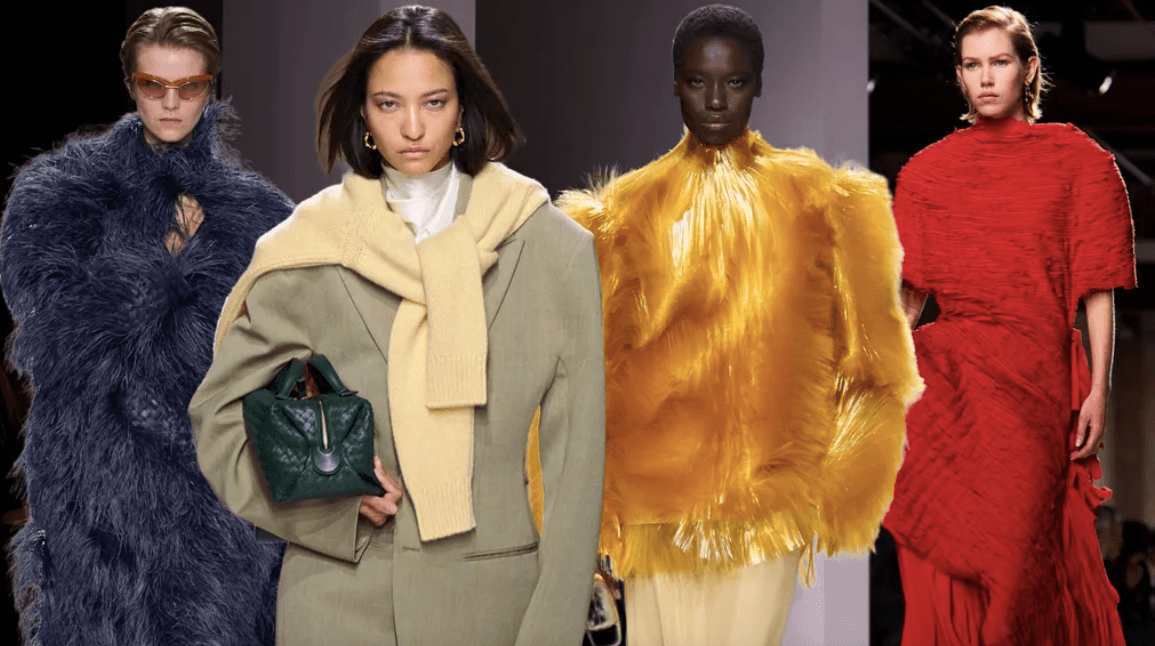
Image by Marie Claire
Leather remained central. The intrecciato weave appeared across oversized totes and structured handbags, some amplified through exaggerated proportions for a focal point. It reinforced a core idea that at Bottega Veneta, innovation is not about abandoning tradition but reworking it in ways that feel current.
Footwear emerged as another defining element. Sculptural heels and exaggerated soles pushed familiar shapes into more conceptual territory, signalling an awareness of a younger, fashion-forward audience. At the same time, the collection did not lose sight of its core high-end consumer. In contrast to more overtly trend-driven brands, Bottega Veneta served practicality, flat shoes, wearable knits and relaxed tailoring. These pieces suggested an understanding that modern luxury is also about how clothing functions in everyday life.
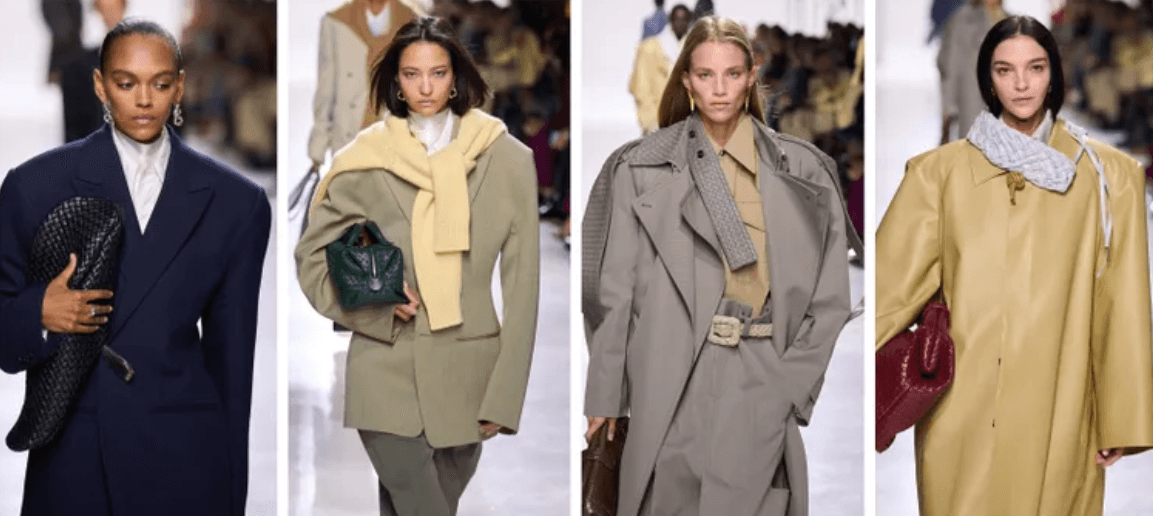
Image by The Medium
That balance reflects a broader shift within the industry. As fashion week audiences increasingly include younger content creators, brands are adapting, but selectively. While appealing to a new generation, Bottega Veneta continues to design for a client rooted in quiet luxury: one who values minimalism, longevity and discretion over visibility. The absence of logos remains central to this identity. In a market saturated with monograms and overt branding, the house relies instead on form, material and execution to signal value.
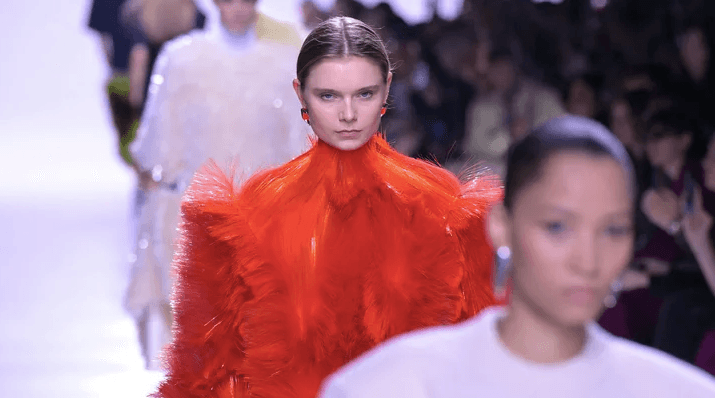
Image by Elle.
Material experimentation extended beyond leather. The collection explored a range of textures from glossy finishes to matte, adding depth without relying on prints or heavy embellishment., reinforcing the brand’s elegant and minimal approach.
Ultimately, the show reflected a brand that is evolving without losing its core. Bottega Veneta is not chasing trends, it is showing its flexibility and willingness to expand. At a time when many runway collections lean into spectacle, its strength lies in subtlety and precision. Here, innovation does not replace tradition; it builds on it.