
Beauty
Luxury Beauty vs. Mass Market
Written By Mariana Lora
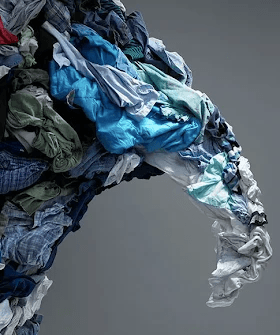
Hermès, Tom Ford and Chanel are among the most recognizable names in the global fashion and beauty industries, labels that have long defined what luxury looks and feels like. Their influence stretches far beyond runway shows and flagship boutiques, shaping trends that filter down through magazines, social media and, eventually, into mass-produced retail chains.

Image by Plastic Collective
Today, that trickle-down effect is more visible than ever. Consumers increasingly report seeing near-identical versions of high-fashion items, whether it's a signature lipstick shade, a tailored silhouette or a trending handbag style, available at a fraction of the price in local malls and drugstores. The rise of “dupe culture” has made it easier for shoppers to access the aesthetic of luxury without the accompanying cost, raising a central question in the beauty and fashion industries: are customers paying for superior quality, or simply for the brand name?

Image by Solene Schirrer
Luxury brands argue that their pricing reflects more than just a logo. Products from houses like Hermès, Chanel and Tom Ford are often tied to heritage, craftsmanship and meticulous attention to detail. In beauty, this can translate to carefully curated formulas, refined textures and packaging designed to feel like an object of permanence rather than disposability. A lipstick, for example, may be refillable, weighty and designed to double as a collectible item, an experience that extends beyond basic functionality.
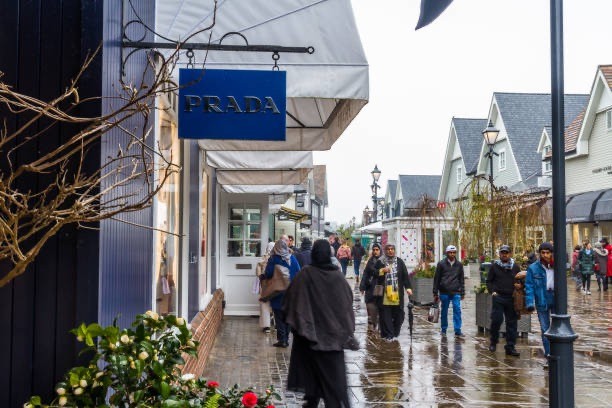
Image by FatmanPhoto on Istock
By contrast, mass-market brands emphasize speed, accessibility and budget. Retailers are able to quickly interpret runway trends and deliver them to consumers at scale, often within weeks. Advances in cosmetic science and manufacturing have also allowed drugstore brands to close the performance gap, offering products with similar finishes, pigmentation and wear time. In many cases, the difference in quality is subtle enough that consumers may not notice it in everyday use.
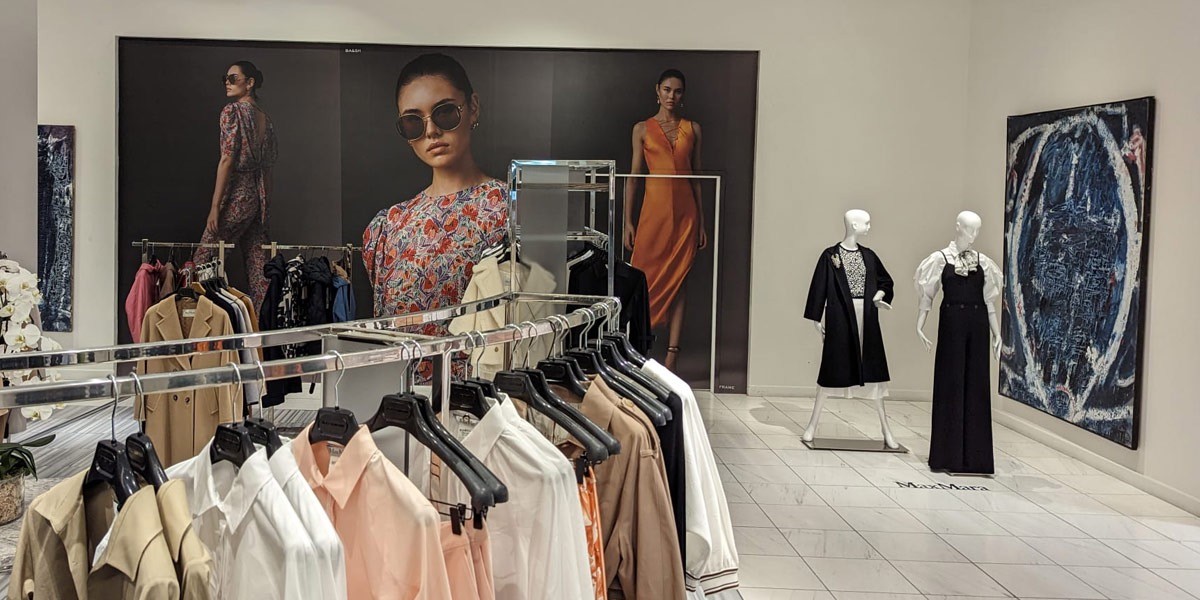
Image by Thelookcompany
Still, perception plays a powerful role. Branding, marketing and price all shape how consumers evaluate a product’s effectiveness. A higher price point can create an expectation of better results, reinforcing loyalty even when comparable alternatives exist. At the same time, the prestige associated with luxury labels continues to carry social and emotional value, owning a Chanel lipstick or a Tom Ford fragrance signals more than just personal style; it reflects status, taste and identity.
Ultimately, the divide between luxury and mass-market beauty is becoming less about clear differences in performance and more about what consumers prioritize. For some, the craftsmanship, title and “aura” justify the cost. For others, accessibility and practicality take precedence. As dupe culture continues to grow, the industry will have to accept that an informed consumer is ultimately a more discerning one.