Fashion
How Luxury Fashion Is Winning Through Storytelling
Written By Laiba Sheraz

How luxury fashion is winning through storytelling. Analyze cinematic campaigns, heritage narratives and emotional branding.
I bought a coat last winter that I absolutely did not need, and when my friend asked why, I did not say "because I was cold." I said, and I quote, "because it reminded me of a woman who summers in the Dolomites and has never once been wrong about anything." That, dear reader, is not a purchase. That is a plot twist. And luxury fashion engineered it on purpose.
Because here's the open secret of the industry right now: the product is no longer the point. The story is the point. The bag is just where the story ends up.
Watch any of the great campaigns and you'll see it. Chanel doesn't sell you a tweed jacket; it sells you Coco Chanel scandalizing 1920s Paris, a woman so ahead of her time she practically invented it. Louis Vuitton doesn't sell you a trunk; it sells you a century of voyages, of ocean liners and orient expresses and the romance of being someone who goes places. These houses have realized that heritage is the one thing a competitor cannot copy. You can knock off a monogram. You cannot knock off a hundred years of mythology.

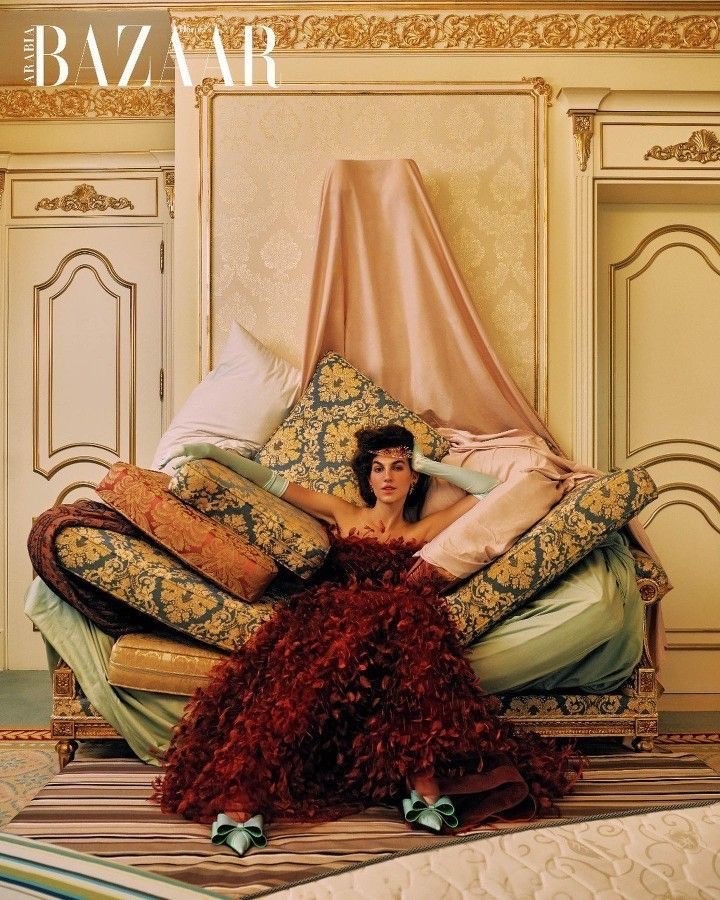
And then there are the films, because they are films now, let's be honest, not advertisements. A luxury campaign in 2026 has a director, a score, a narrative, and a budget that would make a studio weep. Thirty seconds of a woman walking slowly through a palazzo while strings swell and absolutely nothing is explained to you. What is she thinking? Where is she going? Why is she so devastatingly serene? You don't know. You'll never know. But you want her sunglasses, and that was always the assignment.
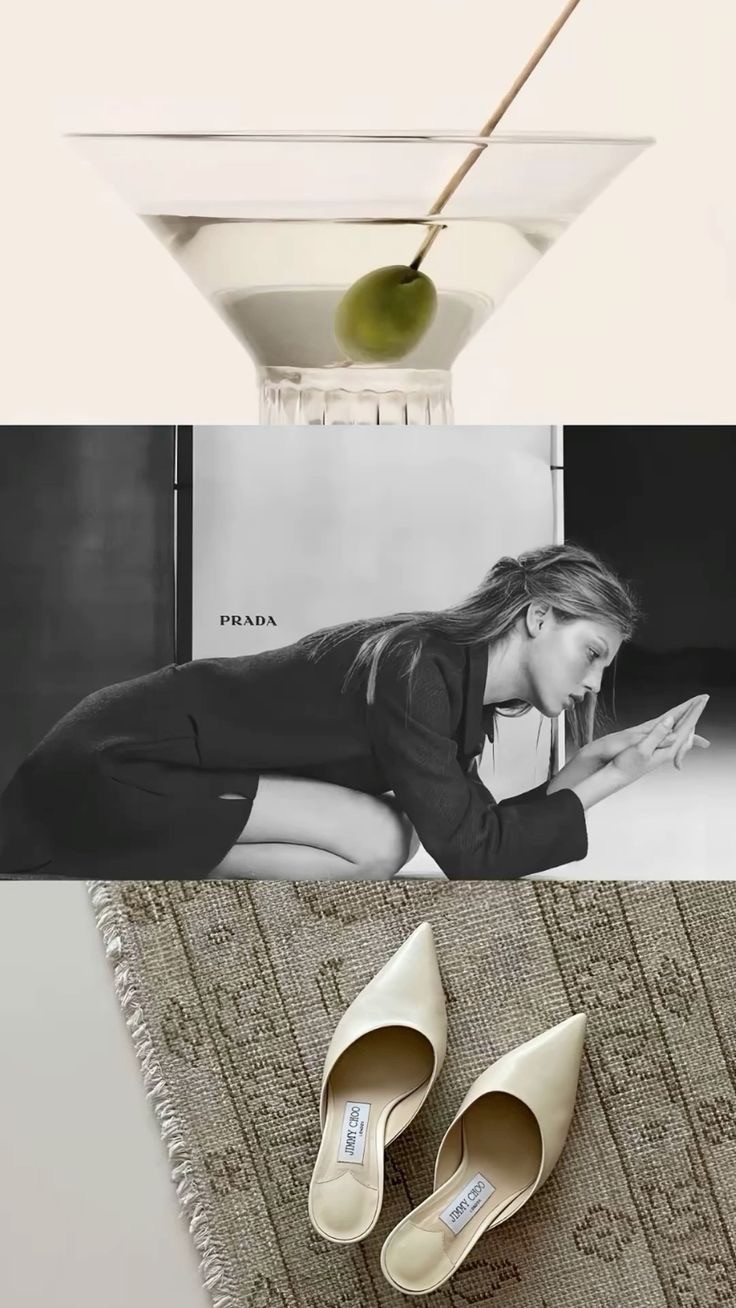
What I find quietly genius is how little of it is about the clothes. The emotion does the selling. They give you longing, nostalgia, belonging, the ache of a remembered summer, and then, almost as an afterthought, a handbag floats into frame. By then you've already fallen for the feeling. The bag is just the souvenir of an emotion you didn't know you were having. It's manipulation, certainly. But it's beautiful manipulation, and I've never minded being seduced by people with this much taste.
This is the part the mass market keeps getting wrong. They show you the product, the price, the percentage off, as if anyone ever wept at a discount. Luxury understood long ago that no one spends four thousand pounds because something is useful. We spend it because it makes us feel like a character in a story worth telling, preferably one set somewhere with good light and better wine.
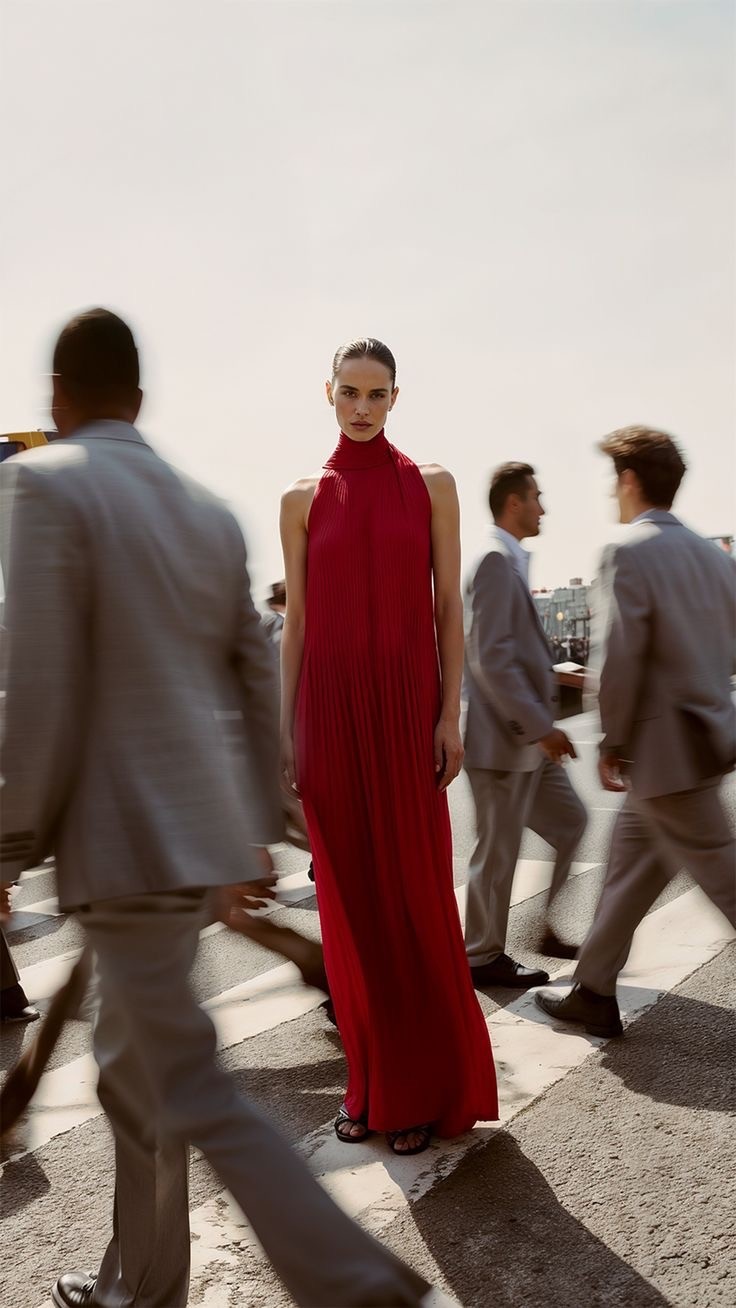
And the houses with the deepest stories win, every time. Hermès can make you wait years for a Birkin and have you grateful for the privilege, because the wait is the narrative. Loewe turns craftsmanship into folklore. Gucci reinvents itself every few seasons by simply telling a new story about who you might become. The clothes change. The spell does not.
I think about my coat often. It is, objectively, wool and buttons. But I have built an entire alternate life around it, the Dolomites, the unwavering confidence, the woman who is never wrong. And that, I've decided, is what I actually paid for. Not the coat. The character.
Luxury fashion isn't in the business of selling things anymore. It's in the business of selling us better versions of ourselves, narrated gorgeously, scored by strings. And we keep showing up for the sequel, wallets open, hearts fuller, closets fuller still. The best stories always cost extra.