Fashion
Fashion’s Obsession With Heritage Brands
Written By Felix Shentaler

Fashion isn’t static; it’s an industry obsessed with reinvention, and when a new director takes the stage, you can feel the energy shift. Following the countless designer swaps in 2025, many heritage brands have found themselves with new captains at the helm. When a new creative director steps in, the House archive becomes more than a reference point; It becomes a lifeline, preventing them from drifting too far while still giving them room to explore. Now, we get to watch brand aesthetics shift as their new designers bring their unique touch. With these changes, the House speaks to a different audience or taps into a new mood, and the brand’s story starts a new chapter.
Many of the newly appointed creative directors are approaching heritage with a curator’s mindset rather than a disruptor’s. Instead of burning down the past to build something new, they’re excavating it. They’re pulling forgotten silhouettes, dormant motifs, and nearly lost artisanal techniques back into the spotlight. This is partly strategic: consumers are hungry for authenticity, for pieces that feel rooted in something deeper than a trend cycle. When you inherit a century‑old house, there’s a lot of pressure to bring something new while maintaining something old. All that’s left is something borrowed and something blue.
Archival aesthetics are shaping the visual language of modern collections as designers are reinterpreting house classics through a contemporary lens. We can see that heritage brands and their new designers are embracing this reinterpretation, like Matthieu Blazy for Chanel, Jonathan Anderson for Dior, and Demna for Gucci.
Matthieu Blazey for Chanel Spring Summer Haute Couture 2026


Courtesy of Vogue. Courtesy of Chanel.
This Chanel LBD was illustrated in Vogue in 1925, and the dress from Matthieu Blazy is beautifully derivative of the 100-year prior design. The modern adaptation is made fully from a sheer fabric, has a high front neckline which cascades into two separate pieces flowing over the shoulders. The low back is repeated through both gowns, and the crystal lining on the original illustration is moved to the hemline. A little black dress will always be a closet staple, but this is a stunning reinterpretation of a classic design, one that stands the test of time on its own but is now perfected for a contemporary audience.
Matthieu Blazey for Chanel Métiers d'Art Collection
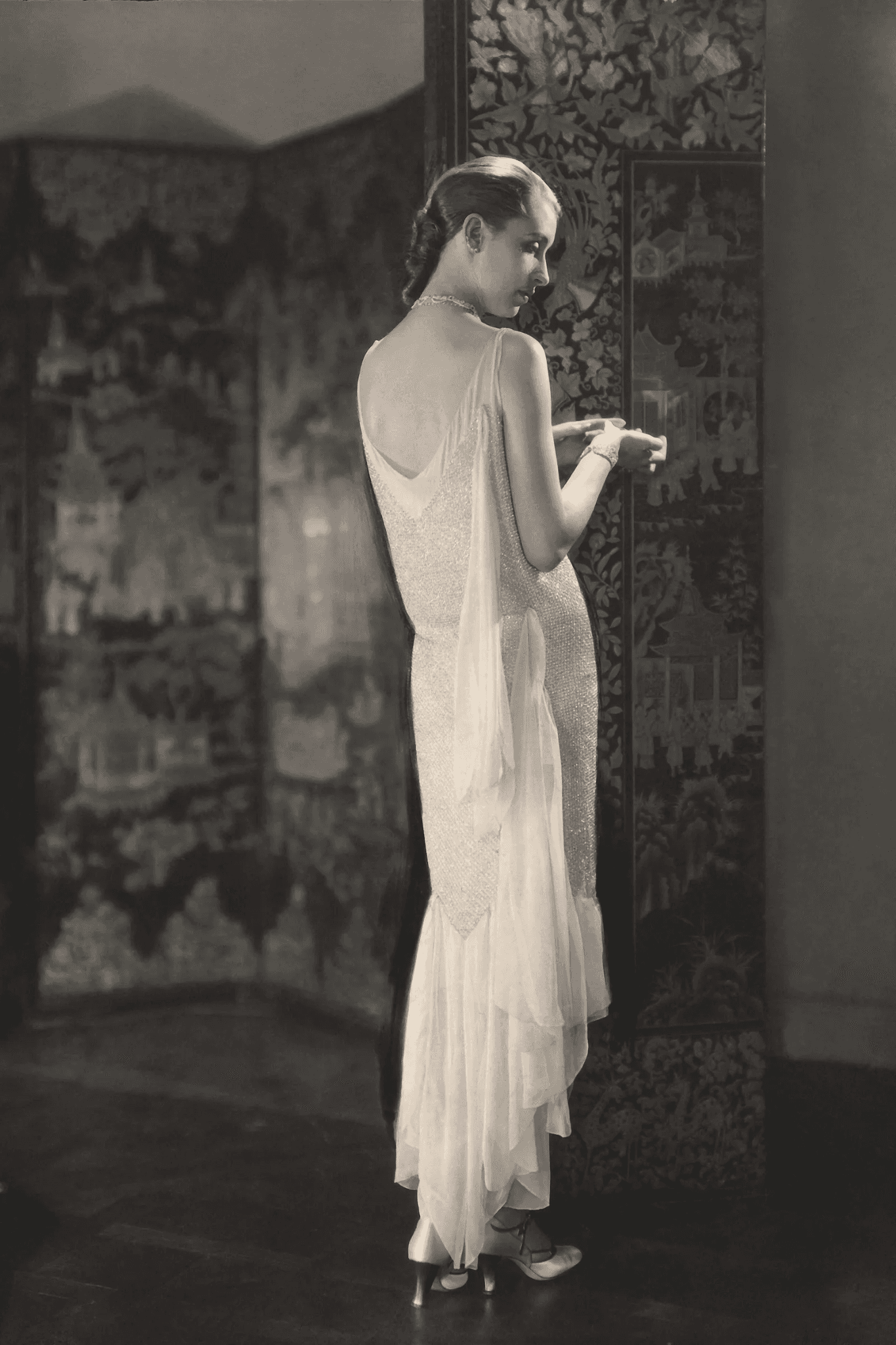
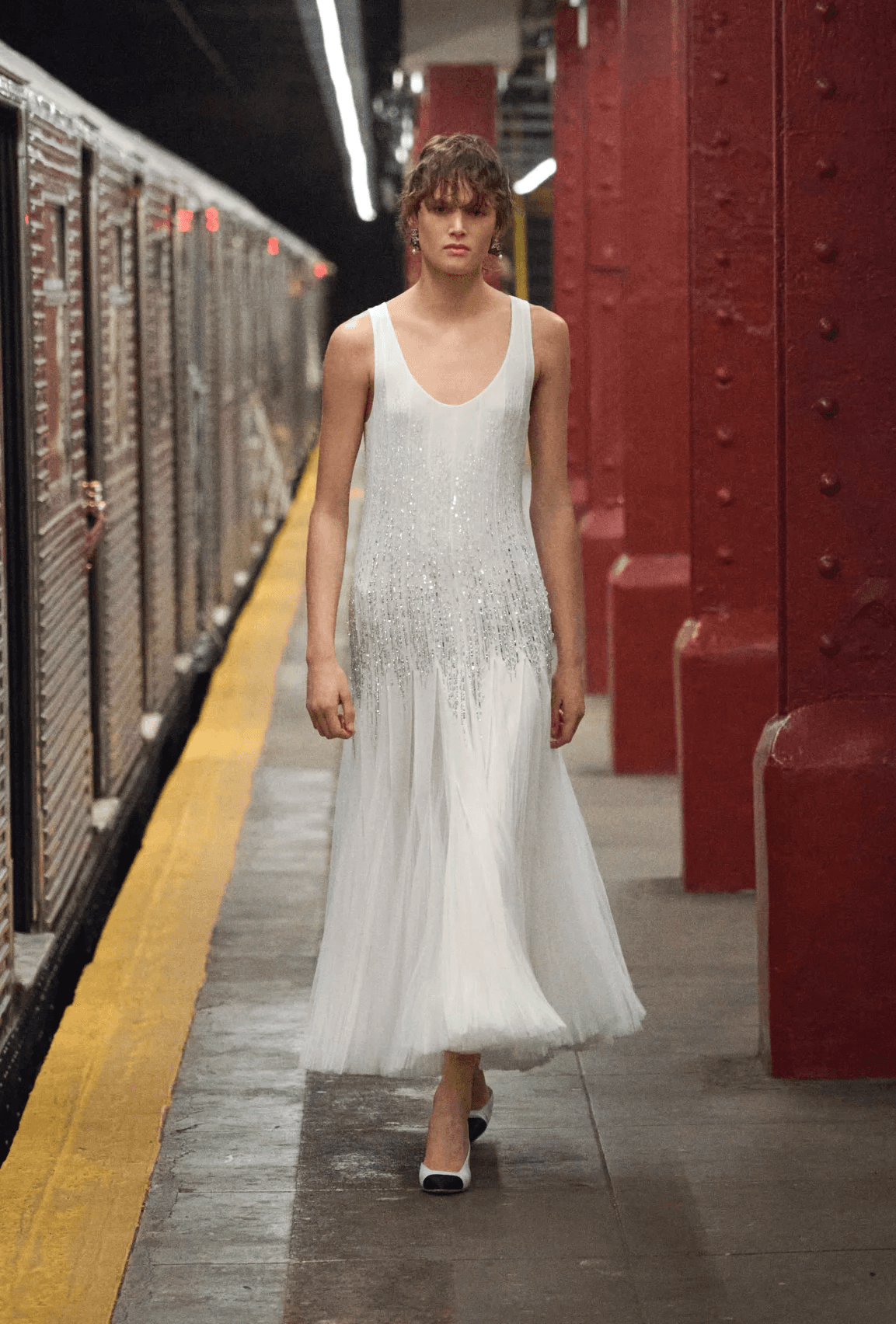
Edward Steichen. Courtesy of Chanel.
A chiffon Chanel dress with beading from a 1927 issue of Vogue inspires this dress from the Métiers d'Art Collection. The modern silk dress was pleated by the Maison d’art Lognon with embroideries by Atelier Montex with 30,000 glass beads, 2,000 crystals, and 33,000 silver sequins over 600 hours of work. The micro-pleats cascade just below the hips, similarly to the original gown, giving it the same movement and energy. The beading on the new gown mirrors the gathering at the hips of the original, giving the illusion of depth with embroidery.
Jonathan Anderson for Dior Summer 2026 Menswear and Spring-Summer 2026 Womenswear collections
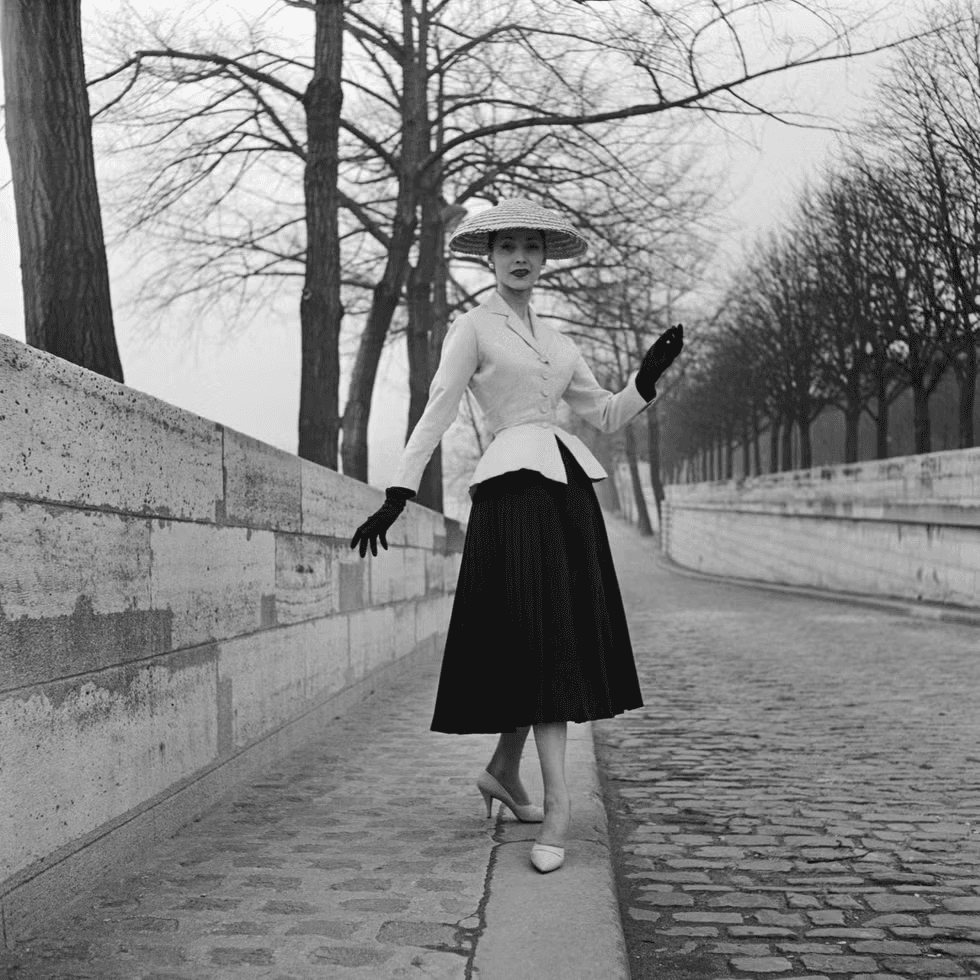
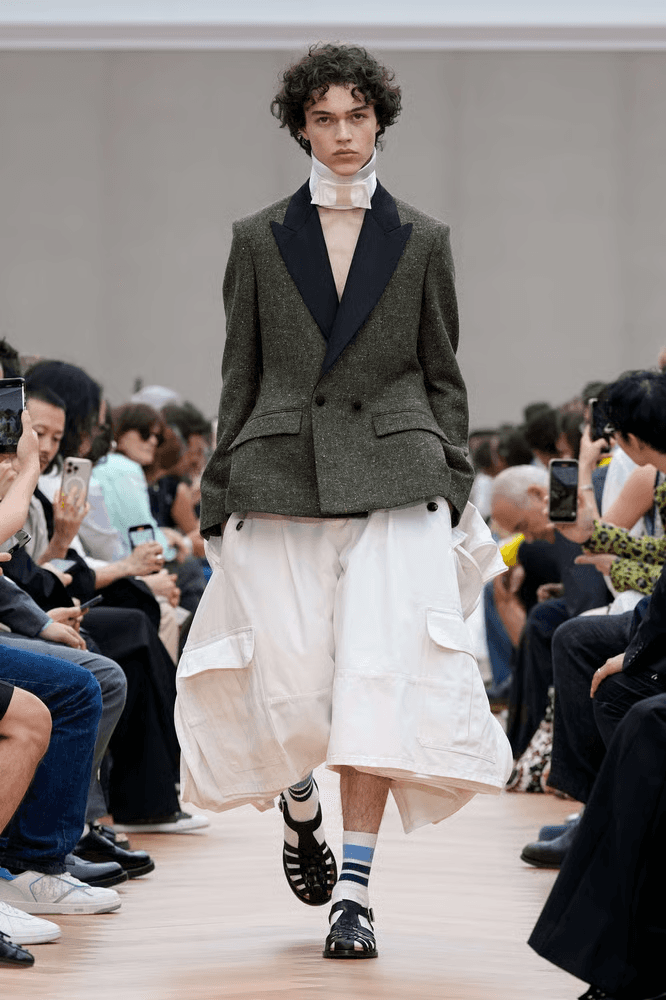
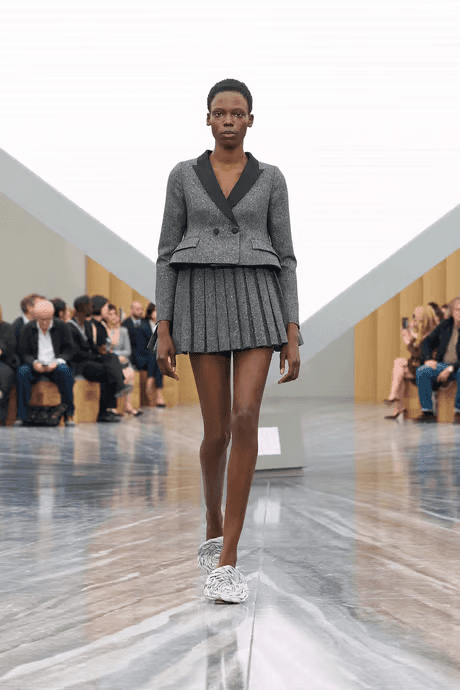
Courtesy of Dior.
Dior’s Bar Jacket is one of the most identifiable pieces in the brand’s history, and it has been reimagined and reworked countless times since its creation in 1947. Most recently, Jonathan Anderson took the iconic piece and reintroduced it for both his menswear and womenswear runways. Using these classic silhouettes to break down barriers between gendered fashion by using them in both ready-to-wear collections. Anderson speaks in an interview about his menswear collection, “...there is the Bar jacket, which we made in Donegal tweeds, stressing the classic masculinity of the item from which Mr Dior started to create one of his most feminine garments.”
Jonathan Anderson for Dior Summer 2026 Menswear collection


Courtesy of Dior.
Another iconic piece in Dior's history is the Delft dress, which was the source of inspiration for these Delft Bermuda Shorts. Drawing from the silhouette and structure of the gown, Anderson androgynizes the piece for the menswear collection. About the show, Anderson says, “The dialogue with history and the archive is constant,” and with each look, it’s easy to spot the historical inspirations. There is also something beautifully subversive about using the iconic gown to inspire pieces in a menswear collection.
Demna for Gucci Fall-Winter 2026 Ready to Wear collection
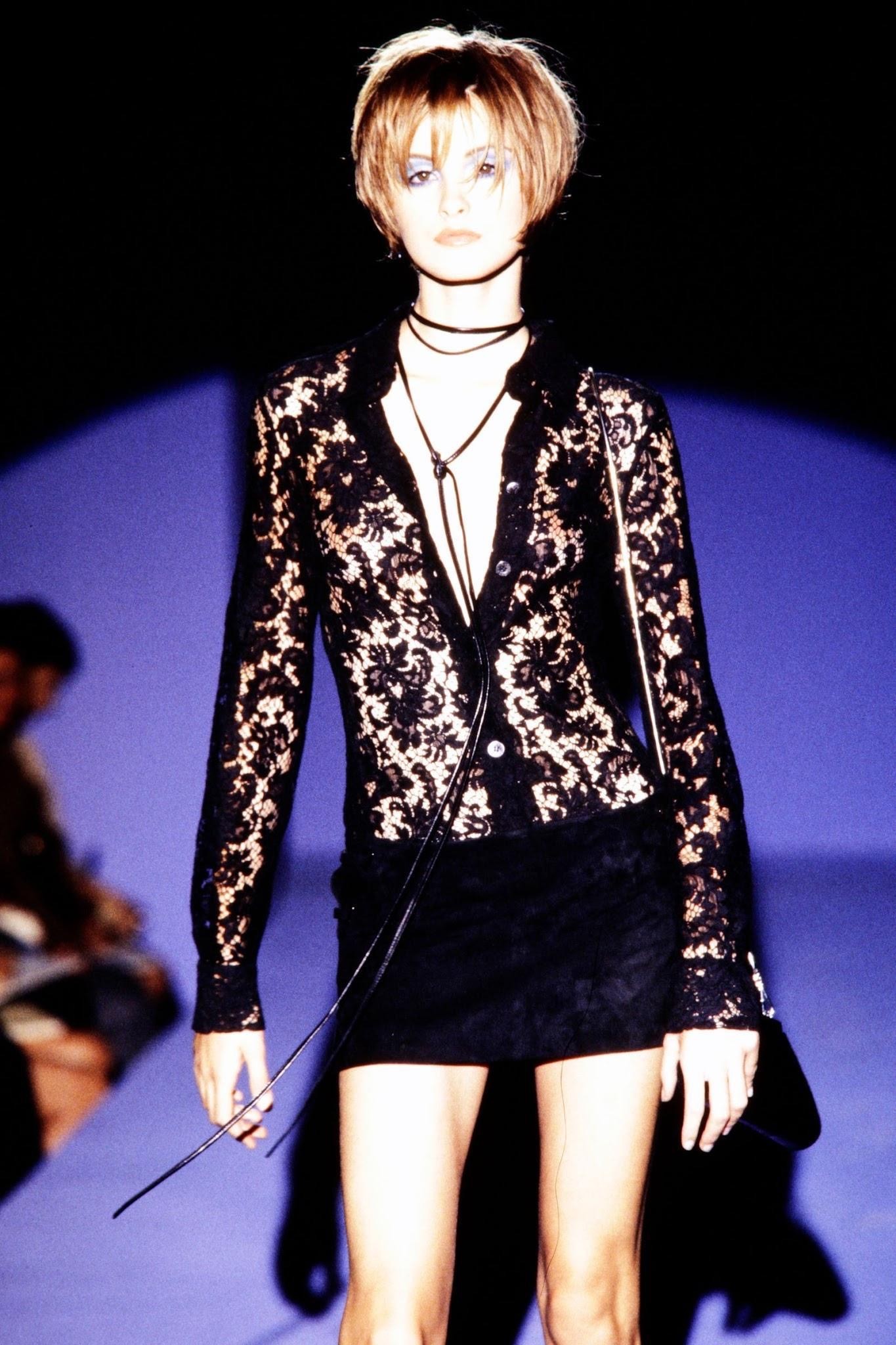
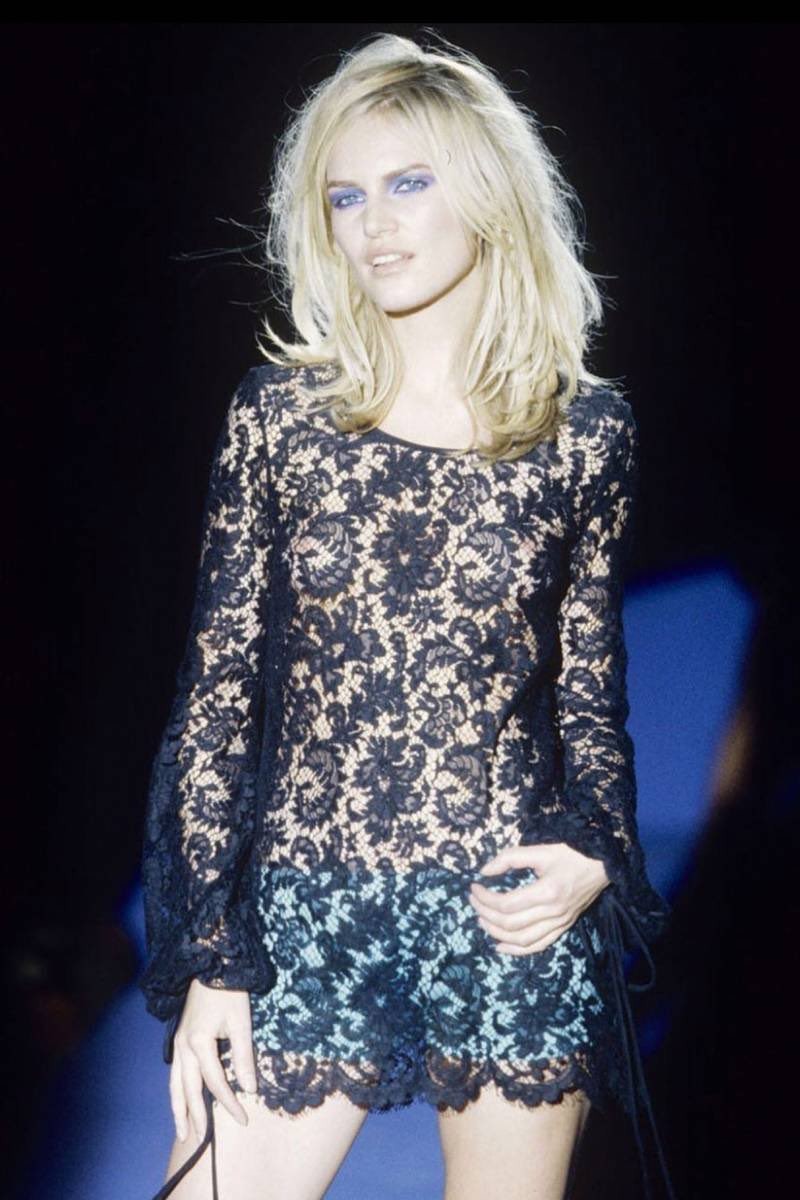
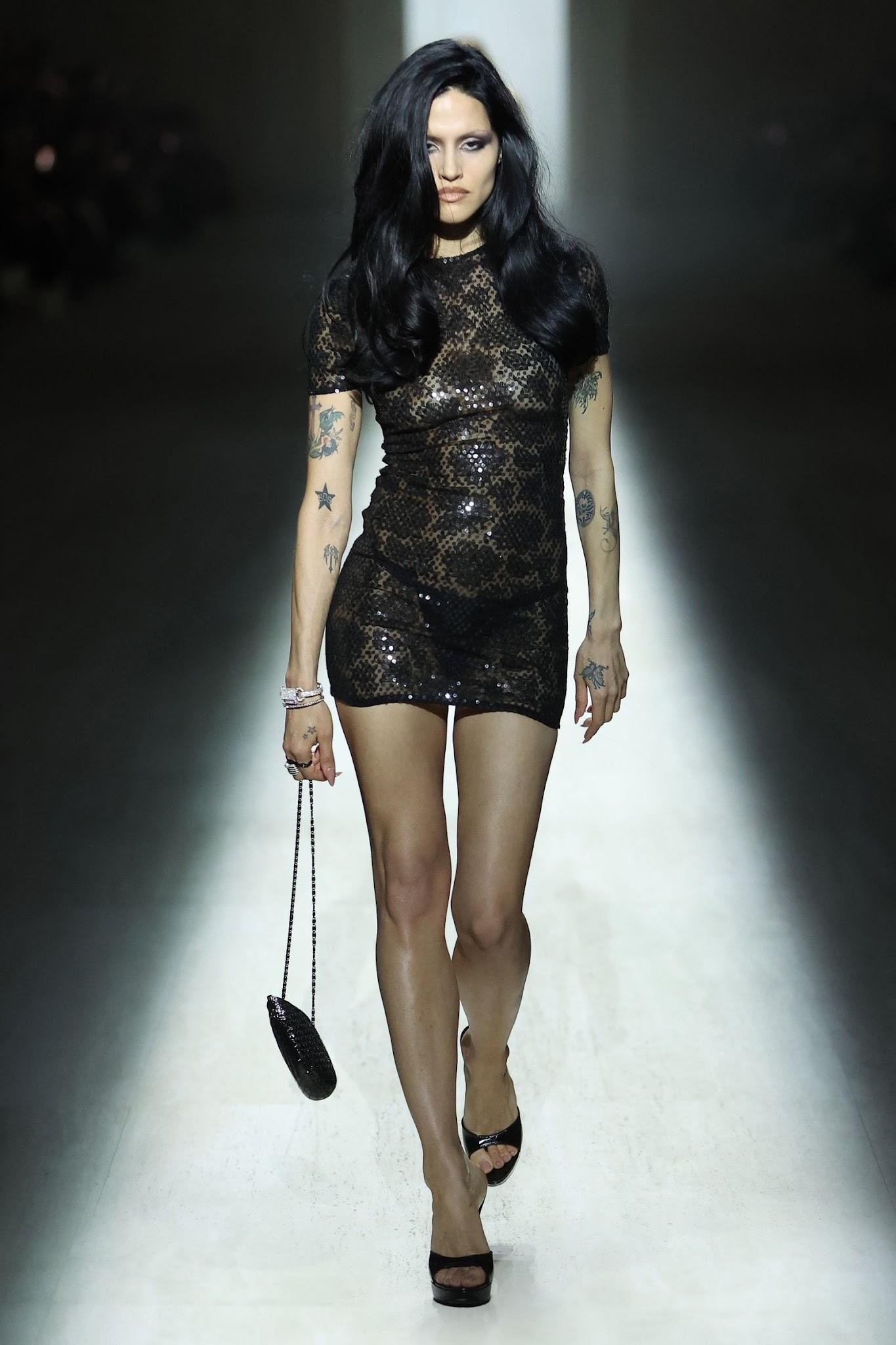
Penske Media. Courtesy of Gucci.
These looks from Gucci’s spring 1996 runway are mirrored in Demna’s FW26 runway; the black lace and micro skirts are a clear parallel. Demna’s version is slightly more risque. The cord choker and sleeve details from the ‘96 runway have been ditched for a handbag with a similar cord strap. The neckline and sleeves have been updated, and the entire garment is skintight.
Demna for Gucci Fall-Winter 2026 Ready to Wear collection

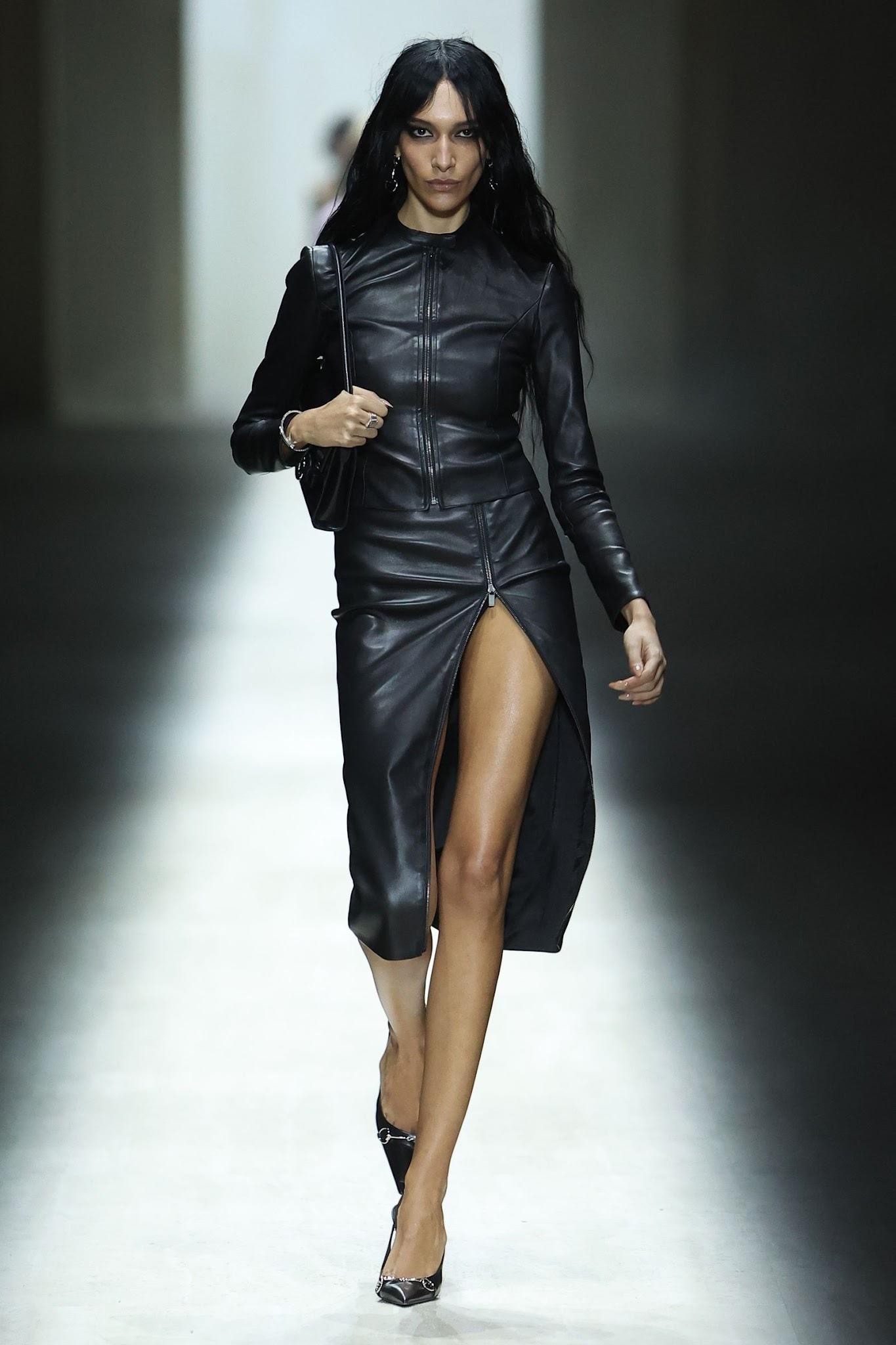
Condé Nast Archive. Courtesy of Gucci.
This look from Gucci’s spring 1999 runway got a revamp with Demna. The leather jacket was reworked with an even sleeker look and a matching leather skirt with a high slit framed by a zipper that mirrors the jacket. Updating the skirt with a slit is a great way to incorporate the length of the original, but give it an edgier, modern look. The shoulder bag is updated to match the garments rather than contrast with them. This look is a cohesive leather moment where each piece works perfectly together or separately.
Younger consumers gravitate toward pieces that feel rooted in something real. A hand‑woven leather bag or a meticulously restored archival print carries a sense of permanence that fast fashion can’t replicate. Gen Z and younger millennials have grown up in a landscape defined by instability. Economic uncertainty, algorithmic culture, and an endless churn of micro‑trends, not to mention global lockdowns. When everything feels disposable, the idea of something enduring becomes magnetic. Younger audiences are also an extremely visually literate generation. They can spot derivative design instantly. And in a digital age, they know when a brand is faking authenticity. So when a house revives a hand‑stitched technique or pulls a silhouette straight from a 1950s archive, it reads as intentional, researched, and real, which ultimately drives sales and nudges other brands to go back into the history books and see what they can pull.