business
Brunello Cucinelli's Private Client Business
written by felix shentaler
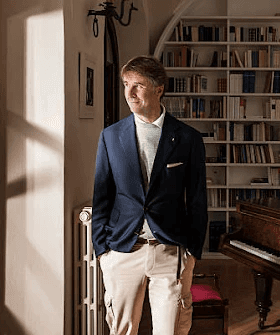
Brunello Cucinelli’s private client business thrives on a philosophy that has remained remarkably consistent for nearly five decades, and that consistency has become its greatest competitive advantage. The brand’s appeal to the world’s wealthiest clients begins with its unwavering commitment to top‑end luxury, a positioning that has insulated it from the volatility affecting much of the industry. While political and economic uncertainty has curbed aspirational spending, the top 0.1 percent have continued to invest in luxury goods and services, and Cucinelli has built an entire ecosystem designed to meet their expectations without ever diluting the brand’s exclusivity.
This approach stands in stark contrast to the exuberant expansion strategies that defined the luxury sector in the last decade. As many high-end brands chased double‑digit growth, Cucinelli told investors a different story, framing his ambition to grow revenue by a steady 10 percent a year as a more sustainable path. That discipline paid off, because now, in the midst of an industry-wide luxury downturn, the brand is one of the few labels defying the broader market. While the sector was expected to contract between 2 and 5 percent in 2025, Brunello Cucinelli’s sales rose nearly 11 percent in the first half and were projected to grow at an annual rate of 10 percent through 2026. In August of 2025, BofA noted that it is the only luxury label in its coverage “where we expect double-digit revenue growth to continue,” a distinction that emphasizes just how rare stability has become.
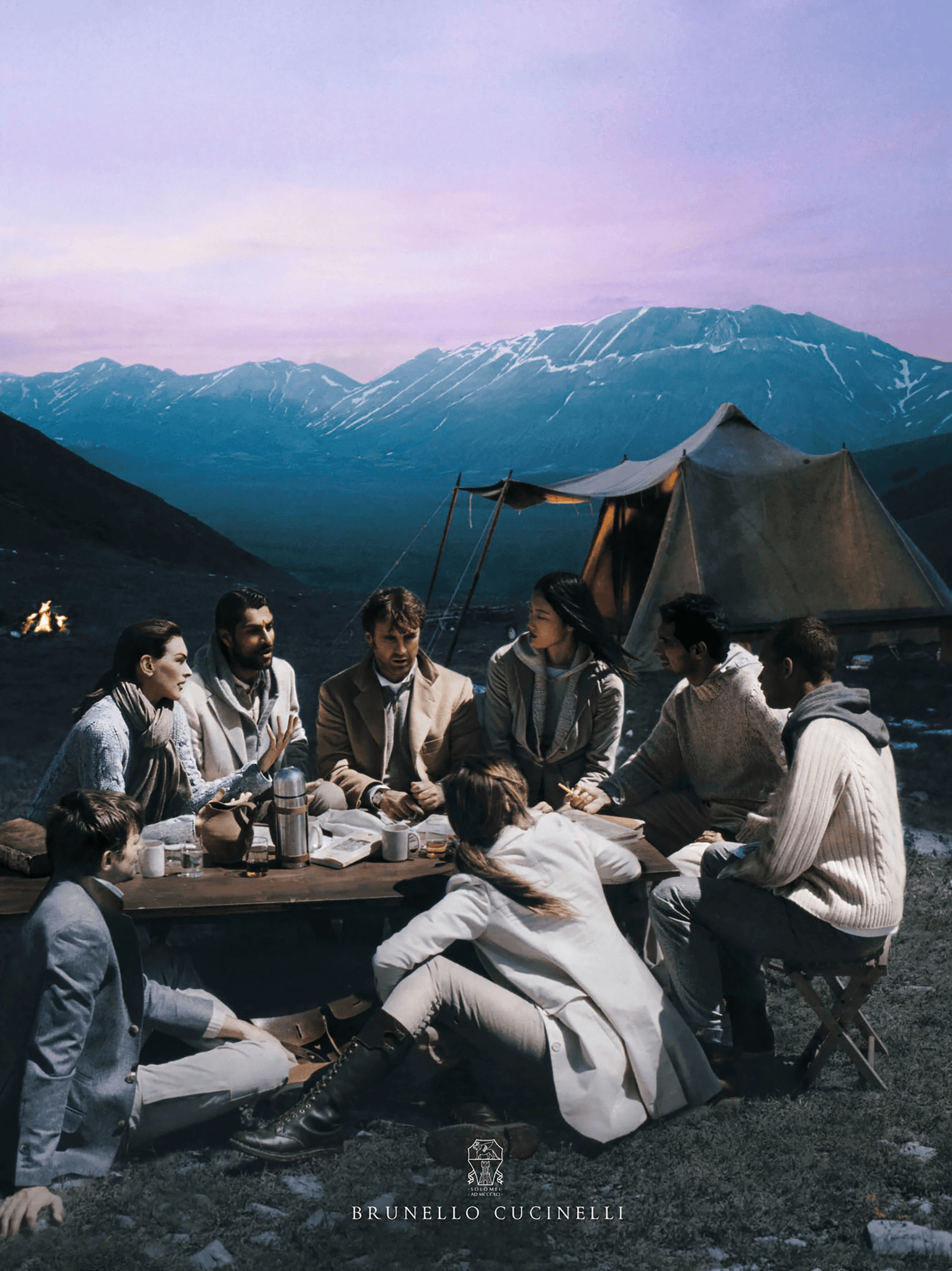
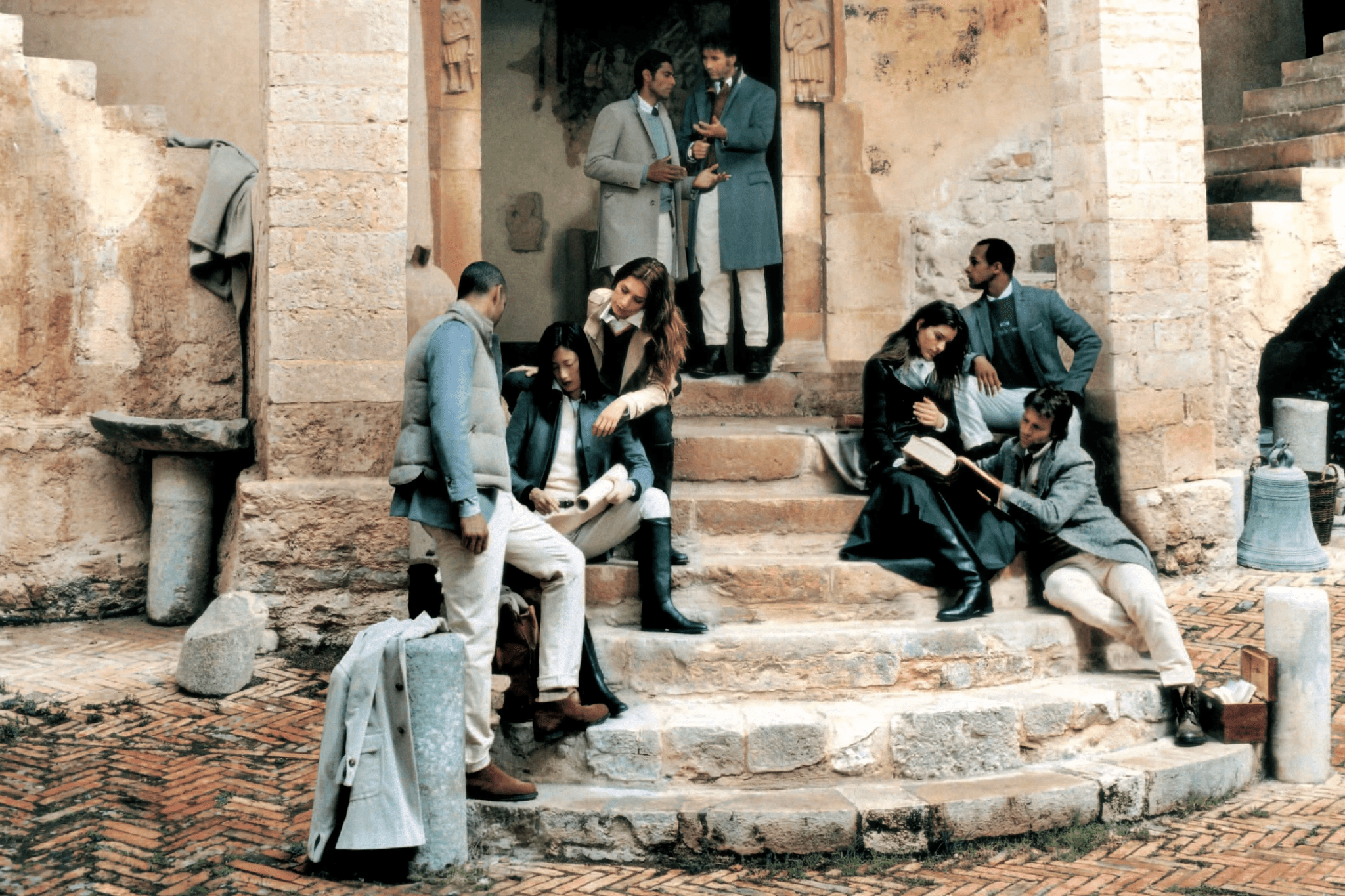
Brunello Cucinelli. FW03 and FW04.
Cucinelli himself resists the idea that there is any secret behind this performance. His strategy has long been a deliberate counterpoint to the industry’s more aggressive impulses. He casts his label as the tortoise to luxury’s hare, moving slowly and intentionally even when demand surges. The brand’s fitted jackets and cashmere sweaters, which retail for thousands of dollars, cater to the kinds of clients who buy their handbags at Hermès and remain largely unfazed by global financial gyrations. These consumers are not looking for logos or hype; they are looking for craftsmanship and a sense of permanence. By avoiding the aggressive store expansion and eye‑popping price hikes that have left competitors over‑exposed and under scrutiny, Cucinelli has preserved the perception that his goods are worth their price.
This restraint is not only theoretical; when an investor urged the company to expand rapidly to meet soaring demand, promising that more stores would yield many more sales, Cucinelli declined outright. He argued that the brand could enjoy 30 percent growth for a year or two, but the inevitable rebalancing would erode the exclusivity that defines true luxury. Overdistribution, he warned, would be fatal. If customers see queues outside the store, the brand’s desirability will evaporate within two years. His refusal to chase short‑term gains reflects his broader philosophy rooted in “humanistic capitalism,” the principle on which he founded the company in 1978. Profit, he believes, must be balanced with worker wellbeing, environmental sustainability, and dignified working conditions. This ethos permeates the brand’s communications and reinforces the idea that Cucinelli stands apart from the greedflation and logo‑driven excess that have contributed to the industry’s current crisis.

Brunello Cucinelli boutique at Harrods
The market has rewarded this consistency. Analysts and industry observers note that even skeptics who do not “drink the Brunello Cucinelli Kool-Aid” cannot deny the effectiveness of its positioning. The brand has become a solid, old‑school choice for clients seeking quality without ostentation. Retail partners echo this sentiment. Harrods, which has carried the brand for years, reports that it has delivered growth every year (except in 2020), appealing across age ranges and nationalities, thanks to its timelessness and strong value proposition. The retailer recently expanded the brand’s womenswear footprint and plans a similar upgrade for menswear, a testament to its sustained demand.
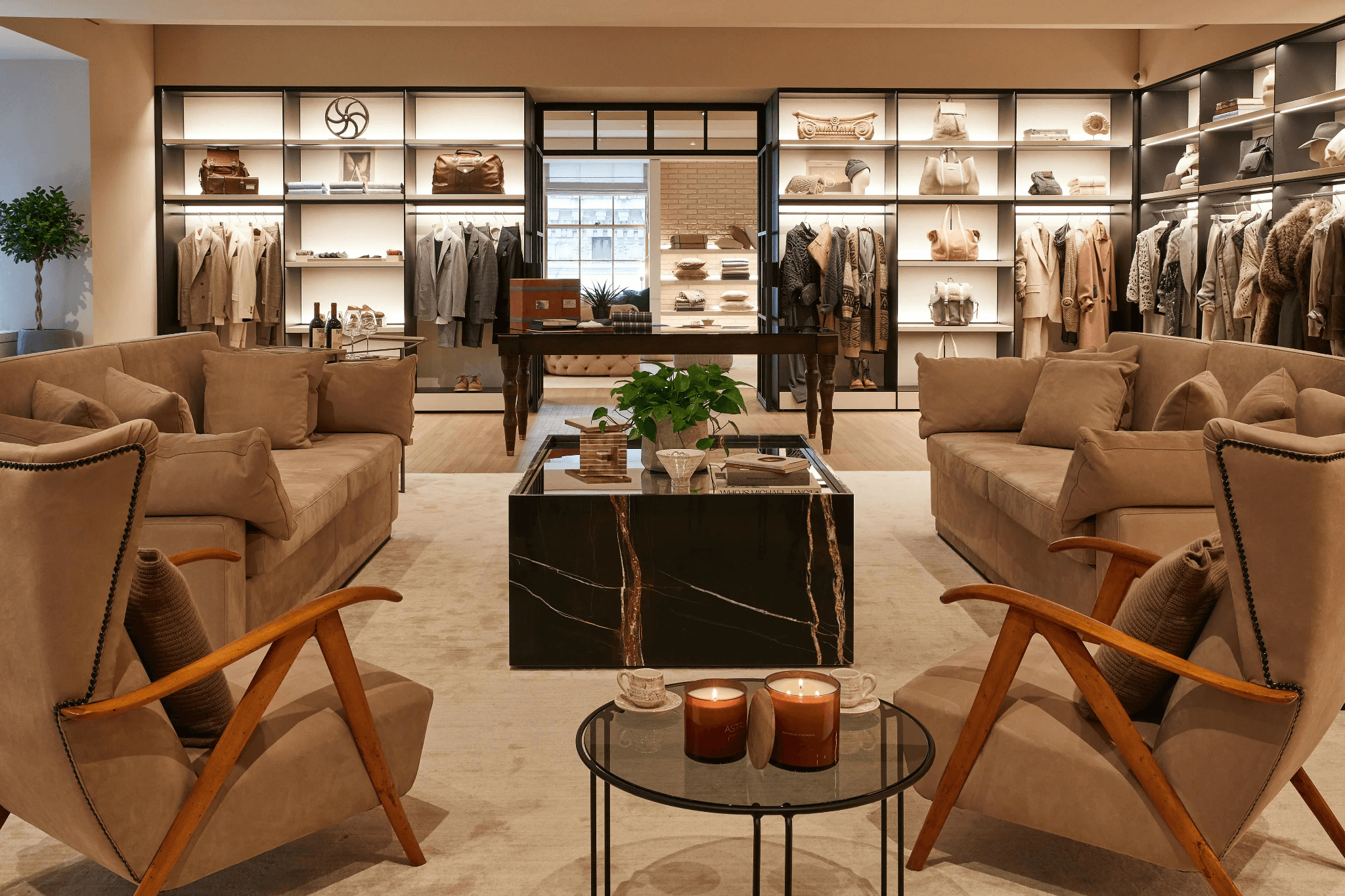
Photo by Justin Bridges for Brunello Cucinelli
Their disciplined growth strategy extends into private client business where exclusivity is a lived experience. Brunello Cucinelli operates one of the most robust private shopping networks in luxury, with nine Casa Cucinelli locations across the U.S., Asia, and Europe. These spaces resemble private apartments more than boutiques, hosting client appointments, intimate dinners, and fashion shows. Invitations typically come through trusted advisers, fortifying the sense of belonging to a small, elite circle. Yet the ultimate expression of the brand’s ethos is a visit to Solomeo, the town where the Cucinelli family lives. Private clients tour the factory, watch artisans weave and hand‑sew $4,000 cashmere sweaters, and experience firsthand the craftsmanship that justifies the brand’s prices.
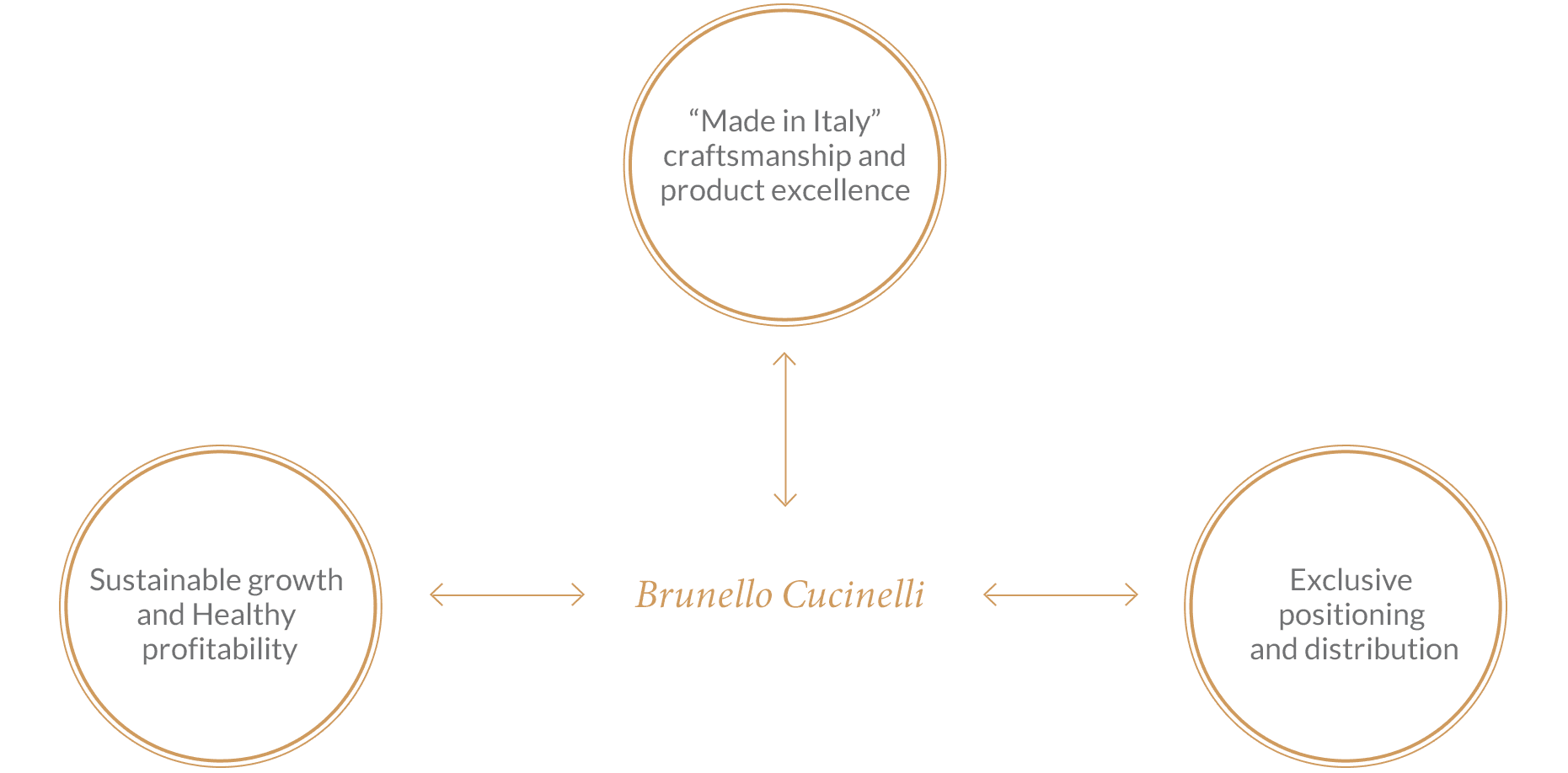
Brunello Cucinelli’s Business Model and distinct representative elements as shown to investors.
In an industry where labels chase scale at the expense of integrity, Brunello Cucinelli has built a business that grows by staying small in all the ways that matter. Its private client strategy succeeds because it is not a separate initiative but an extension of the brand’s core values: discretion, quality, humanistic principles, and a refusal to compromise. Wealthy clients continue investing in the brand because it offers something increasingly rare in luxury—a sense of authenticity that has never been diluted by overexposure or opportunistic expansion. While the broader market may be contracting, Cucinelli’s steady ascent is the natural outcome of a philosophy that has always prioritized longevity over speed.